News
CBN cuts interest rate to 23%

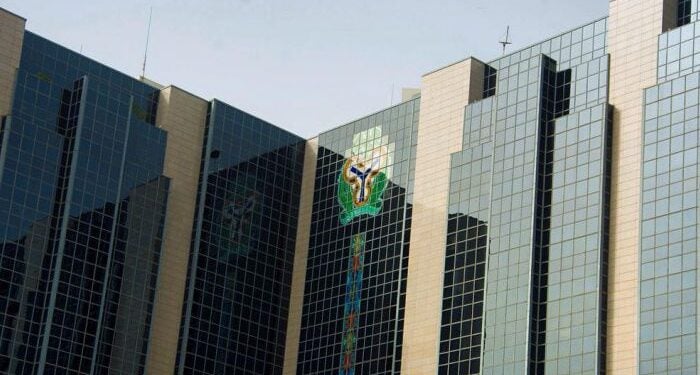

The Central Bank of Nigeria (CBN) has reduced the Monetary Policy Rate (MPR) from 26.5 per cent to 23 per cent, marking a significant shift in the country’s monetary policy direction.
CBN Governor, Olayemi Cardoso, announced the decision on Tuesday during a briefing after the 307th meeting of the Monetary Policy Committee (MPC).
Announcing the decision, Cardoso said, “The Committee decided as follows: reset the monetary policy rate to 23 per cent.”
Rate cut follows previous MPC holds
The latest reduction comes after the MPC maintained the benchmark interest rate at its two previous meetings.
It also follows a 50-basis-point cut announced by the committee in February 2026, indicating a gradual adjustment of the CBN’s monetary policy stance following the earlier period of tighter interest rates.
The MPR is a key benchmark used by the CBN to influence borrowing and lending conditions across the economy. A reduction can affect the cost of funds for banks and other financial institutions, although the impact on lending rates and other market conditions may vary.
Cardoso also disclosed that the apex bank had increased Nigeria’s foreign exchange reserves to $55 billion.
Foreign reserves rise to $55bn
The governor’s disclosure on the reserves came as part of the developments highlighted after the MPC meeting.
Higher foreign reserves provide the country with a larger external buffer and can strengthen the CBN’s capacity to manage foreign exchange pressures and meet international payment obligations.
The latest reserve figure also comes amid the CBN’s broader efforts to improve conditions in the foreign exchange market and strengthen confidence in Nigeria’s external position.
Inflation records consecutive monthly decline
The decision to cut the MPR comes against the backdrop of a recent moderation in Nigeria’s inflation rate.
Nigeria’s inflation rate declined for the second consecutive month in August 2026, falling to 15.39 per cent from 15.43 per cent recorded in July.
The movement represents a further easing from the inflation levels recorded earlier in the year and provides additional context for the MPC’s latest decision.
The CBN’s decision to reduce the benchmark rate to 23 per cent therefore comes as inflation continues to moderate, while the country’s foreign reserves have risen to $55 billion.
The effect of the new rate on borrowing costs, lending conditions, investment and economic activity will depend on how commercial banks and other financial institutions respond to the change in the benchmark rate.













APC presidential campaign council to Atiku: Explain legal basis, ₦21 trillion cost of petrol subsidy plan

Nigeria’s envoy to Jamaica presents credentials, seeks deeper bilateral ties

What Jonathan’s airport use means for Ebonyi aviation facility – State government

I rejected N250m bribe to support Obasanjo’s third term bid – Farouq Aliyu

Ogun 2027: Collect APC money, vote PDP – Sowunmi-Kolapo

Properties worth millons of naira destroyed as fire ravages residential building in Ibadan

2027: Remo group warns sons against breaking Ogun zoning pact

3 feared dead, 5 injured in fresh Plateau market attack
-

 News2 days ago
APC presidential campaign council to Atiku: Explain legal basis, ₦21 trillion cost of petrol subsidy plan
- News3 days ago
Nigeria’s envoy to Jamaica presents credentials, seeks deeper bilateral ties
- News3 days ago
What Jonathan’s airport use means for Ebonyi aviation facility – State government
- Breaking3 days ago
I rejected N250m bribe to support Obasanjo’s third term bid – Farouq Aliyu