News
Kaduna: Climate stakeholders seek joint action on environmental challenges

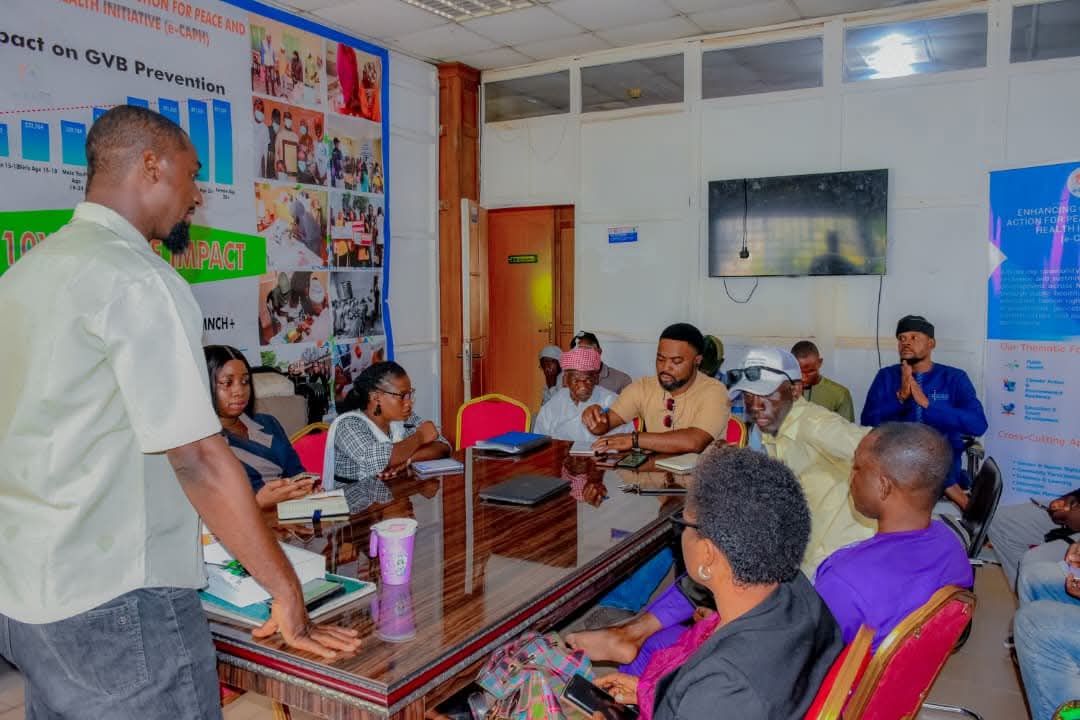
Civil Society Organisations (CSOs) working on climate-related issues in Kaduna state have called for stronger collaboration with government to tackle environmental challenges confronting the state and develop a common agenda ahead of the 31st United Nations Climate Change Conference (COP31).
The stakeholders made the call on Wednesday during the Kaduna State Climate Parley titled: “Harmonising Interventions and Financing for COP31,” which brought together CSOs across the state to review ongoing climate-related interventions and identify gaps requiring collective action.
Speaking at the parley, one of the co-chairs of the Civil Society (CS) group on Climate Governance under the Kaduna State Climate Accountability Mechanism, Musa Suleiman, said the meeting was aimed at harmonising climate-related interventions in the state and developing a united position ahead of COP31.
Suleiman, who also works with Follow Taxes, Transparency and Accountability in Totality, Popularity and Uniformity, said the stakeholders planned to develop a policy document or communique that would capture the local realities in Kaduna, identify feasible solutions and present them at COP31.
Suleiman stressed the need for CSOs and government to jointly develop strategies for addressing Kaduna’s peculiar climate challenges, noting that political commitment and will from government were required to ensure effective implementation.
Also speaking, the Programme Officer, Bridge That Gap, Hope for Africa Initiative, Zinta Istifanus, said the parley provided an opportunity for civil society organisations across Kaduna to review their climate-related activities and identify ways of improving their interventions while supporting government in tackling climate change.
Istifanus identified deforestation, poor waste management, flooding, erosion and loss of viable farmland as some of the environmental challenges confronting the state.
He expressed concern over the rate of deforestation in Kaduna, saying trees were being felled faster than they were being replaced through tree planting.
He added that poor drainage systems had contributed to flooding and erosion across the state, resulting in the loss of viable farmland and creating further implications for communities and public health.
Istifanus also raised concerns over contaminated water and polluted air, among other environmental issues affecting the health and wellbeing of residents.
He, however, said addressing the challenges required collective action, stressing that no single organisation could provide the solution alone.
The Founder and Chief Executive Officer (CEO) of Nest Africa AI Innovation Lab, Yazid Mikail Salahudeen, said the parley provided an opportunity for stakeholders at the subnational level to synergise their activities and approach COP31 with a common agenda.
According to him, a consolidated agenda would enable the stakeholders to engage meaningfully at COP31 and align their projects with existing commitments on climate finance.
He explained that stakeholders needed to agree on their demands on climate adaptation, mitigation and financing, particularly frameworks that would decentralise climate finance and make it more accessible to communities implementing climate-related projects.



âThe money was for the artistesâ â Peter Okoye admits receiving about $800k in royalties, says Jude got nothing

AFC supports ₦729 billion series 2 bonds to advance Nigeria’s power sector reforms

Mum accused of s£x with her dog is freed from jail

2027: Abuja is for Peter Obi – Isaac Fayose dares FCT Minister, Wike

US TV networks suspend Trump coverage after White House’s ban on three media outlets

Sovereign Trust Insurance Falls 8.6% After 31% Weekly Rally

CBN cuts interest rate to 23%

48 year old US based Ghanaian lecturer, Kofi Akamani, sh%t de@d in Illinois as wife is arrested over alleged involvement
-

 Special Reports3 days ago
âThe money was for the artistesâ â Peter Okoye admits receiving about $800k in royalties, says Jude got nothing
- News1 day ago
AFC supports ₦729 billion series 2 bonds to advance Nigeria’s power sector reforms
- Special Reports3 days ago
Mum accused of s£x with her dog is freed from jail
- Politics3 days ago
2027: Abuja is for Peter Obi – Isaac Fayose dares FCT Minister, Wike