News
FG pledge commitment to end sickle cell disease

FG pledge commitment to end sickle cell disease
Helen Oji
The federal government has restated its commitment to closing the survival gap for people living with sickle cell disease, as Nigeria co-launched a new global partnership to transform care.
Minister of State for Health and Social Welfare, Dr. Iziaq Adekunle Salako, stated this on Friday at the launch of “OneSCD – a Global Partnership to Advance Equity and Transform Sickle Cell Care” held at the UN House, New York, on the sidelines of UNGA 81.
The OneSCD partnership was co-organised by Nigeria, Uganda, India, Jamaica, St. Kitts and Nevis, UNICEF, WHO, Africa CDC, St. Jude Children’s Research Hospital and the World Coalition on SCD.
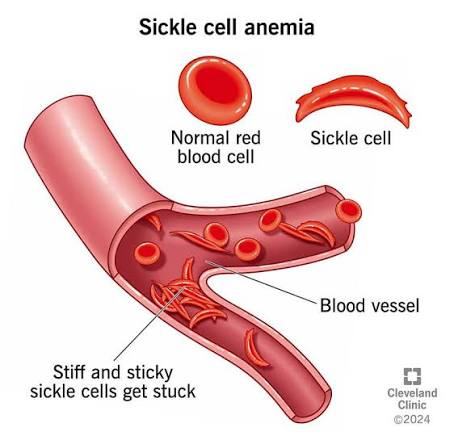
Dr. Salako, who delivered the official welcome address on behalf of Nigeria, said sickle cell disease affects almost 8 million people worldwide, with over 75 per cent living in sub-Saharan Africa and many dying before age five from preventable complications.
He said Nigeria carries the highest burden globally, with between 150,000 and 180,000 babies born with the condition annually, making it a national priority in child survival, maternal health, primary healthcare and universal health coverage.
According to him, Nigeria is strengthening its response through a national programme domiciled in the Federal Ministry of Health, a National Steering Committee and clinical guidelines for control and management.
He disclosed that pilot newborn screening programmes are ongoing in Lagos, Kano and the FCT through maternity, immunisation and primary care services, while six centres of excellence equipped with HPLC machines for specialised diagnosis have been established under President Bola Tinubu’s administration.
The minister said government is also improving access to affordable diagnostics and medicines, training health workers, building referral networks and integrating sickle cell data into the national health information system.
He added that sustainable financing is being pursued through health insurance and public-private partnerships to reduce out-of-pocket burden on families.
Dr. Salako said the global response to SCD has suffered inequities and lack of prioritisation, with most cases concentrated in low and middle-income countries, hence the need for OneSCD to connect political leadership, expertise and financing behind country-led actions.
“As a champion country, he said Nigeria will integrate early diagnosis and comprehensive care across all levels of healthcare, strengthen accountability through data and financing, place patients and families at the centre of policy, and share lessons globally,’ Dr Salako stressed.
He called on development partners, philanthropies and the private sector to invest in country-owned systems and scale proven interventions.



AFC supports ₦729 billion series 2 bonds to advance Nigeria’s power sector reforms

Mum accused of s£x with her dog is freed from jail

FOX News, ABC, CBS, NBC Suspend Pooled Coverage of Trump after President’s Ban on CNN, MS NOW, Politico

48 year old US based Ghanaian lecturer, Kofi Akamani, sh%t de@d in Illinois as wife is arrested over alleged involvement

Constitution doesn’t recognise ‘working’ vacation – ADC challenges National Assembly over Tinubu’s absence

NANS commends Umahi over road projects, recommends pedestrian bridge in Kaduna

Cardoso says monetary policy reset to improve transmission, not ease stance

CBN cuts interest rate to 23%
-

 News1 day ago
AFC supports ₦729 billion series 2 bonds to advance Nigeria’s power sector reforms
- Special Reports3 days ago
Mum accused of s£x with her dog is freed from jail
- News3 days ago
FOX News, ABC, CBS, NBC Suspend Pooled Coverage of Trump after President’s Ban on CNN, MS NOW, Politico
- Special Reports3 days ago
48 year old US based Ghanaian lecturer, Kofi Akamani, sh%t de@d in Illinois as wife is arrested over alleged involvement