
Connect with us

Dr. Olisa Agbakoba, SAN, has asked presidential candidates in the 2027 general election to publicly state how they intend to price petrol, describing fuel costs as...



President of Ghana, John Dramani Mahama, Monday charged African youths not to fear technology but learn to use it responsibly and intelligently. He also said it will...



A wave of celebration has swept through the Zango community in Gulani Local Government Area of Yobe state, following the arrest of a local traditional ruler...


The Obidient Movement has accused security agencies of applying a double standards in handling alleged political violence in some part of the country. The movement also...


The Minister of the Federal Capital Territory (FCT), Barristeb Nyesom Wike, has mobilised stakeholders across the six Area Councils of the FCT in order to secure...

Voters in Kogi state have been urged to support the re-election of President Bola Ahmed Tinubu in the 2027 presidential election to sustain ongoing economic and...
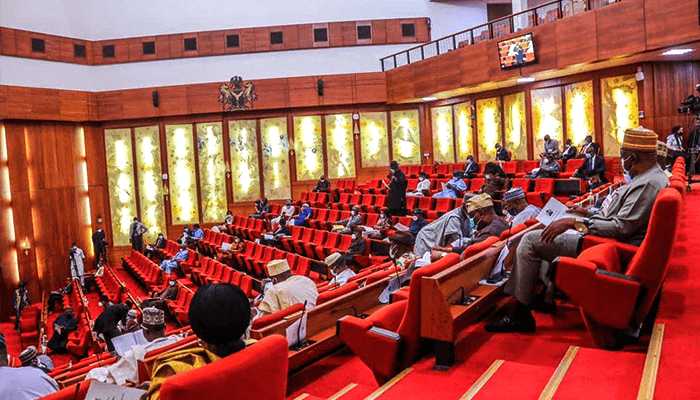

The Senate on Monday through its committee on South East Development Commission (SEDC), told management of the commission that it must operate from the South East....

The federal and state governments have called for stronger mortgage financing, improved land administration and institutional collaboration to accelerate delivery of affordable housing across Nigeria. A press...
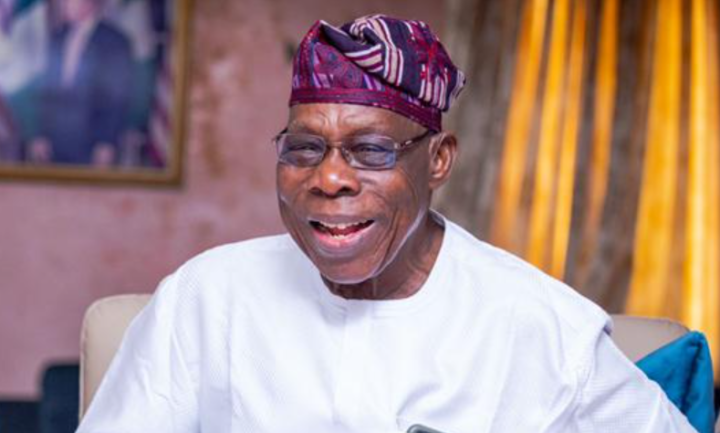

Former president of Nigeria, Chief Olusegun Obasanjo Monday advocated an increase in the 13 per cent derivation to oil producing states in the country. Obasanjo said...
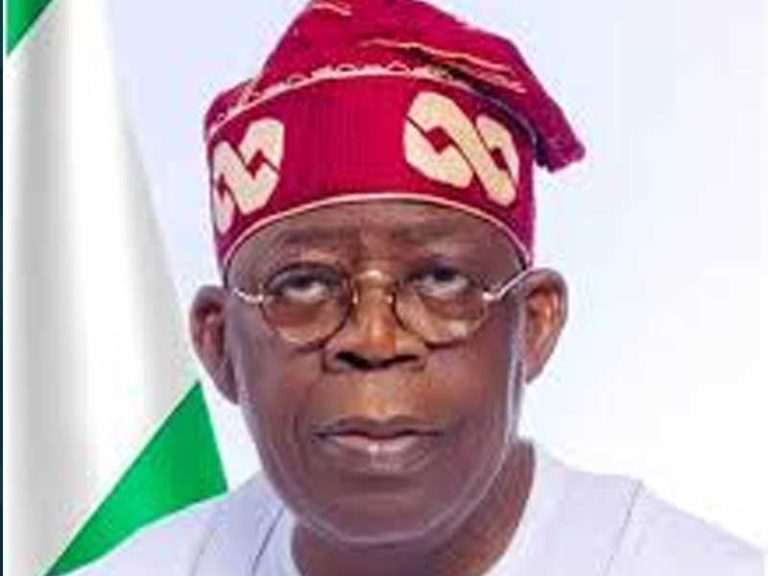

The Grassroots Mobilisation Initiative (GMI), has projected that divisions among opposition parties and the distribution of votes across Nigeria’s six geopolitical zones will be major factors in the 2027 presidential election. The group, which supports President Bola Ahmed Tinubu’s re-election bid, said the opposition’s inability to build a united national coalition could affect its chances of mounting an effective challenge to the incumbent. GMI’s National Coordinator, Samaila Musa, in a statement, said that this in a political assessment of the emerging electoral landscape, arguing that Tinubu’s political alliances across the country could give the ruling party an advantage in the contest. The group’s analysis focused on the South-West, South-East, North-West, North-East and North-Central regions, highlighting potential competition among opposition figures, including former Vice-President Atiku Abubakar and former Anambra State Governor Peter Obi, as well as former Kano State Governor Rabiu Kwankwaso. Musa said: “Following a nationwide evaluation of political dynamics across all six geopolitical zones, GMI highlights that political realities on the ground coupled with a divided opposition make an opposition victory mathematically impossible. “Political reality shows that former Vice President Atiku Abubakar stands no chance of winning a single state in the Southern region. The South East, which previously served as a major voting bloc for Atiku, is now firmly under the influence of Peter Obi and South East Governors, who predominantly support President Bola Ahmed Tinubu’s second-term bid, completely wiping out former opposition strongholds in the zone. Meanwhile, the entire South West remains locked down for President Bola Ahmed Tinubu. “North-West Vote Split: In the North West, Rabiu Kwankwaso is set to capture substantial votes in Kano and Jigawa, as well as a reasonable outing in Katsina. Rather than forming a united front, these votes will be siphoned directly from Atiku’s traditional base, severely diluting the opposition’s voting power. “North-East Battleground: The North East will be another key battleground featuring a split vote between sitting Vice President Kashim Shettima, the region’s Governors (almost all of whom belong to the ruling party), and Atiku Abubakar. “Vote splits in the North Central regions will definitely prevent the opposition from emerging as the winner of the election. “History has proven that Northern votes alone cannot produce a President. Former President Muhammadu Buhari attempted this strategy multiple times without success; it was only after forging a solid alliance with Bola Ahmed Tinubu and securing Southern support that he won in 2015. Without Southern states, any presidential bid remains dead on arrival.” The GMI coordinator also said the group supported the participation of all candidates in the election, including Obi and Kwankwaso, arguing that voters should have the opportunity to assess their respective programmes and records. Beyond its electoral projections, GMI said it had activated its grassroots structures across the country’s 774 local government areas as part of its mobilisation efforts for Tinubu’s re-election. He added, “The political writing on the wall is plain for all to see. President Bola Ahmed Tinubu is set to secure a decisive victory in the coming election, not only because of his courageous economic governance and structural reforms, but because the electoral map heavily favors a truly national leader. “While the opposition continues to squabble over divided territories—with Atiku losing his grip on the South East and forfeiting key Northern strongholds to Kwankwaso and Kashim Shettima, President Tinubu’s nationwide political coalition remains united, formidable, and expanding. “We welcome every candidate to stay in the race and let the voters judge everyone on their merits. However, arithmetic and history do not lie: a candidate who cannot win a single state in the South and whose Northern base is fractured cannot govern Nigeria. President Tinubu has delivered on reforms, restored economic confidence, and built the broadest national consensus. Victory is mathematically and politically assured.”