
Connect with us



The leadership of the 100 eminent Nigerians on the auspices of G100 championship a single opposition candidate has announced postponement of its summit earlier slated for...



Meraiah Ekeinde, daughter of veteran Nollywood actress and filmmaker Omotola Jalade-Ekeinde, has announced her engagement, marking a new chapter in her personal life. Meraiah, who made...
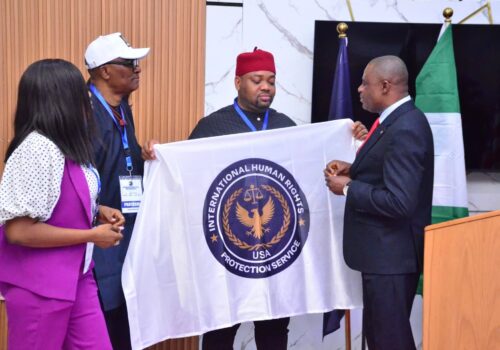


Hon. Dr. Jim Chimezie Okolo has been officially confirmed as the West African Regional Director for Inter-Governmental Affairs at the International Human Rights Protection Service (IHRPS),...
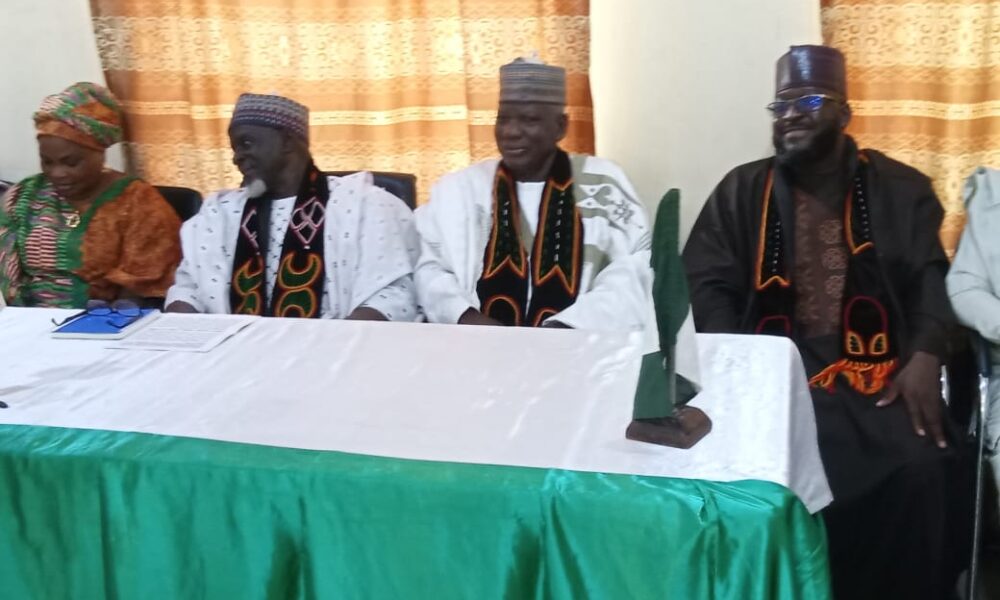


The Chamba Elders council (CEC), the largest ethnic group in Adamawa state, has appealed to President Bola Ahmed Tinubu, to as a matter of urgency intervened...



The Minister of Information and National Orientation, Mohammed Idris, Thursday said Nigeria’s security challenges could not be addressed through military action alone, but required closer collaboration...
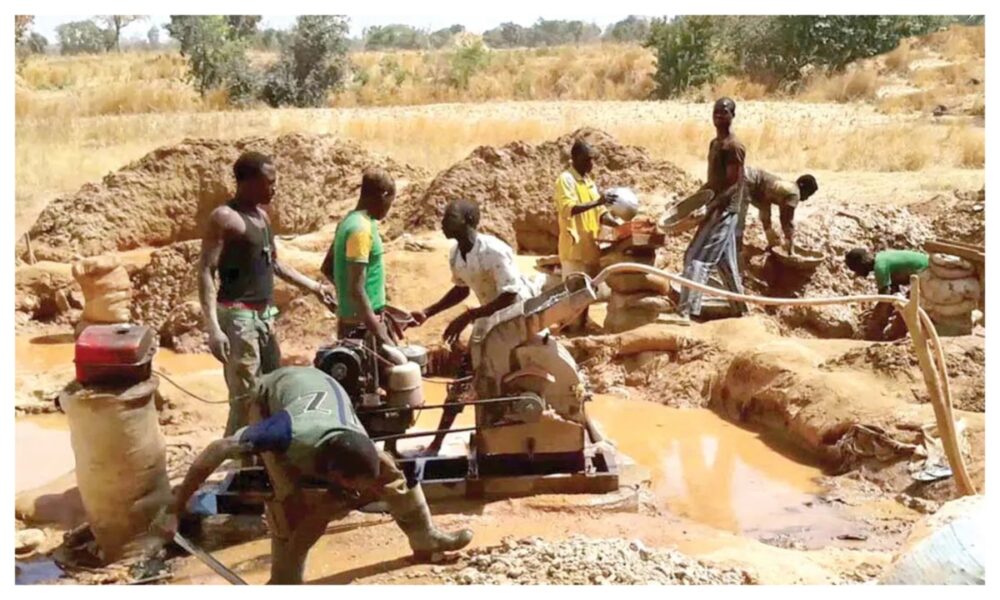

Seven miners have died after a mining pit collapsed in Kassa community, Barkin Ladi Local Government Area of Plateau state. The incident occurred around 7 p.m. on...
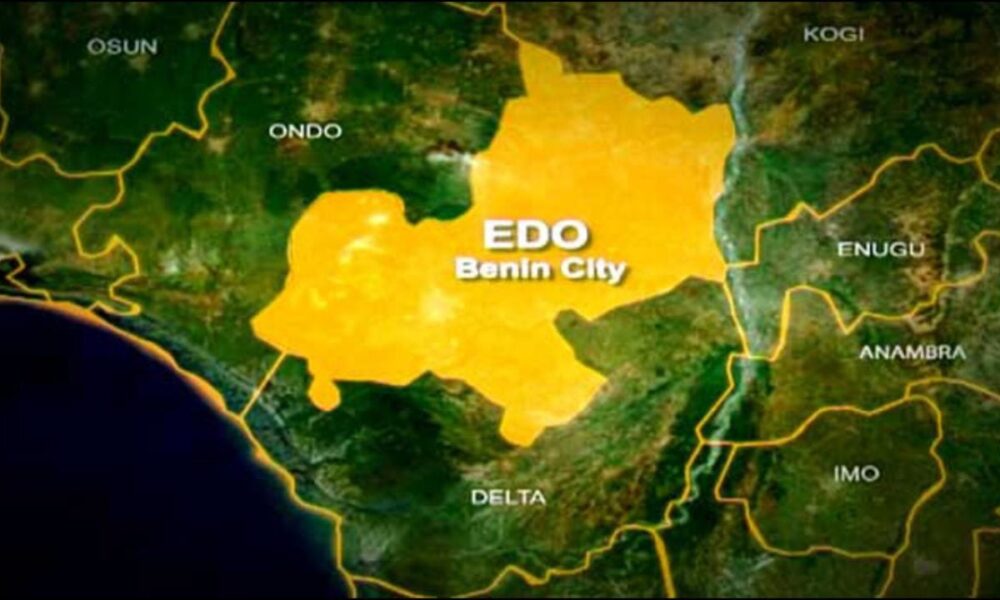

The Edo State Ministry of Women Affairs and Social Development has intervened in the case of two sisters who allegedly suffered prolonged sexual abuse, as...



The Presidential Working Group on the National Policing Bill has extended the deadline for the submission of memoranda and position papers on the proposed legislation to...



The Commissioner of Police, Akwa Ibom State Command, CP Baba Mohammed Azare, has charged officers of the command deployed to Osun state for special election duty...
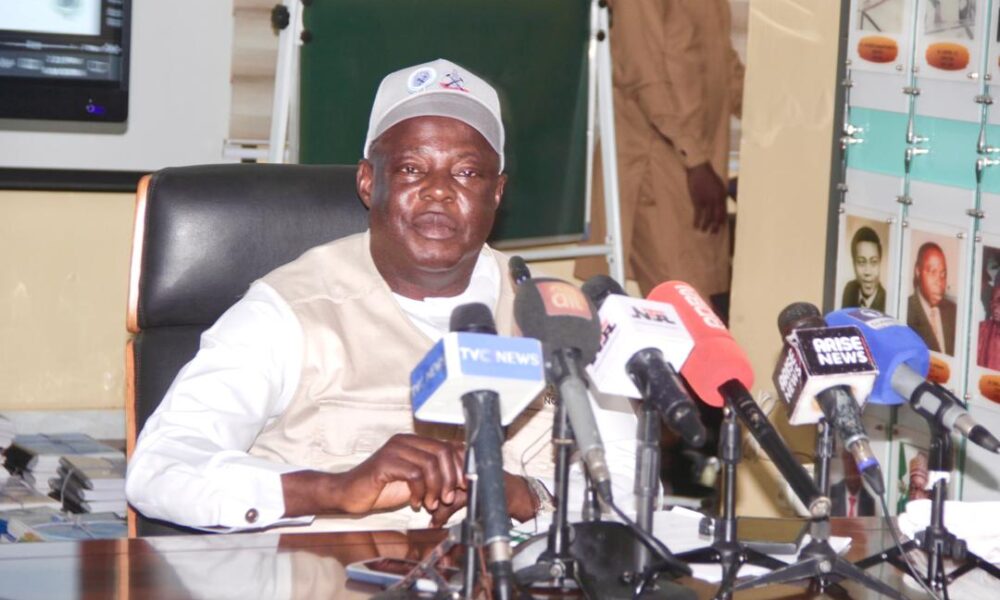

The Ministry of solid minerals development through the Nigerian Geological Survey Agency (NGSA) has assured residents of the Federal Capital Territory (FCT) that the earth tremor recorded in parts of Abuja on August 4, 2026, has completely subsided and poses no threat to lives and property. The assurance followed more than five days of continuous seismic monitoring, field assessments and technical analysis by the agency after the incident. Speaking at a technical press briefing in Abuja, the director-general of NGSA, Professor Olusegun Ige, said the agency’s seismic monitoring station in Utako recorded the tremor at 11:23:27 a.m. on August 4, with the event lasting approximately five seconds and originating from a depth of less than one kilometre. In a statement on Thursday by Lara Owoeye Wise, the special assistant on media to the minister of solid minerals development, the activity was described as a low-energy, transient micro-event, characterised by low amplitude and very short duration. “Our message to residents of Abuja is clear: there is no cause for alarm. The tremor was a very low-energy, isolated event and our monitoring has confirmed that the seismic activity has completely subsided.” It could be recalled that Dr Dele Alake, the minister had directed NGSA to provide hourly updates of the seismic developments around Abuja for possible escalation to other agencies. Professor Ige said NGSA did not stop at recording the tremor but maintained surveillance for more than five days afterwards. The waveform records throughout the monitoring period showed only baseline seismic noise, with no indication of continuing tremor activities. The agency also conducted physical assessments at locations where the tremor was reportedly felt, including the Defence Intelligence Agency facility at Mambila Barracks, Asokoro, the NNPC Towers and selected buildings within the Central Business District. According to him, no structural damage, injury or serious discomfort attributable to the tremor was recorded at the locations assessed. “We have combined instrumental monitoring with physical assessment on the ground. The evidence before us shows that there is no ongoing seismic threat and no structural damage arising from this event.” NGSA explained that preliminary geological analysis indicates that the tremor may have resulted from the release of accumulated stresses within the earth’s crust through existing geological structures. Professor Ige noted that although Nigeria is not located on an active major tectonic plate boundary, geological stresses can occasionally be released through existing fault systems, producing localised seismic events, but stressed that the characteristics of the August 4 event did not indicate a destructive earthquake. “The fact that a tremor was felt does not mean that a destructive earthquake is imminent. What matters is the nature and energy of the event. In this case, the energy released was extremely low and insufficient to cause structural failure or trigger secondary hazards.” While assuring residents that the Abuja event has subsided, the agency said the incident underscores the need to strengthen Nigeria’s national capacity for seismic monitoring and geohazard management. NGSA therefore called for the expansion of its seismic monitoring network, improved logistics, funding, and greater deployment of appropriate monitoring equipment at major mining and quarrying operations. It also recommended that geological and seismic data be incorporated into the planning and construction of major infrastructure, including dams, bridges, railways, airports, mines and quarries.. Professor Ige assured Nigerians that the agency would continue to monitor seismic activities in Abuja and other parts of the country and provide timely updates whenever necessary.