Special Reports
Nigeria joins Interpol operation as AI identifies 126 terrorism suspects

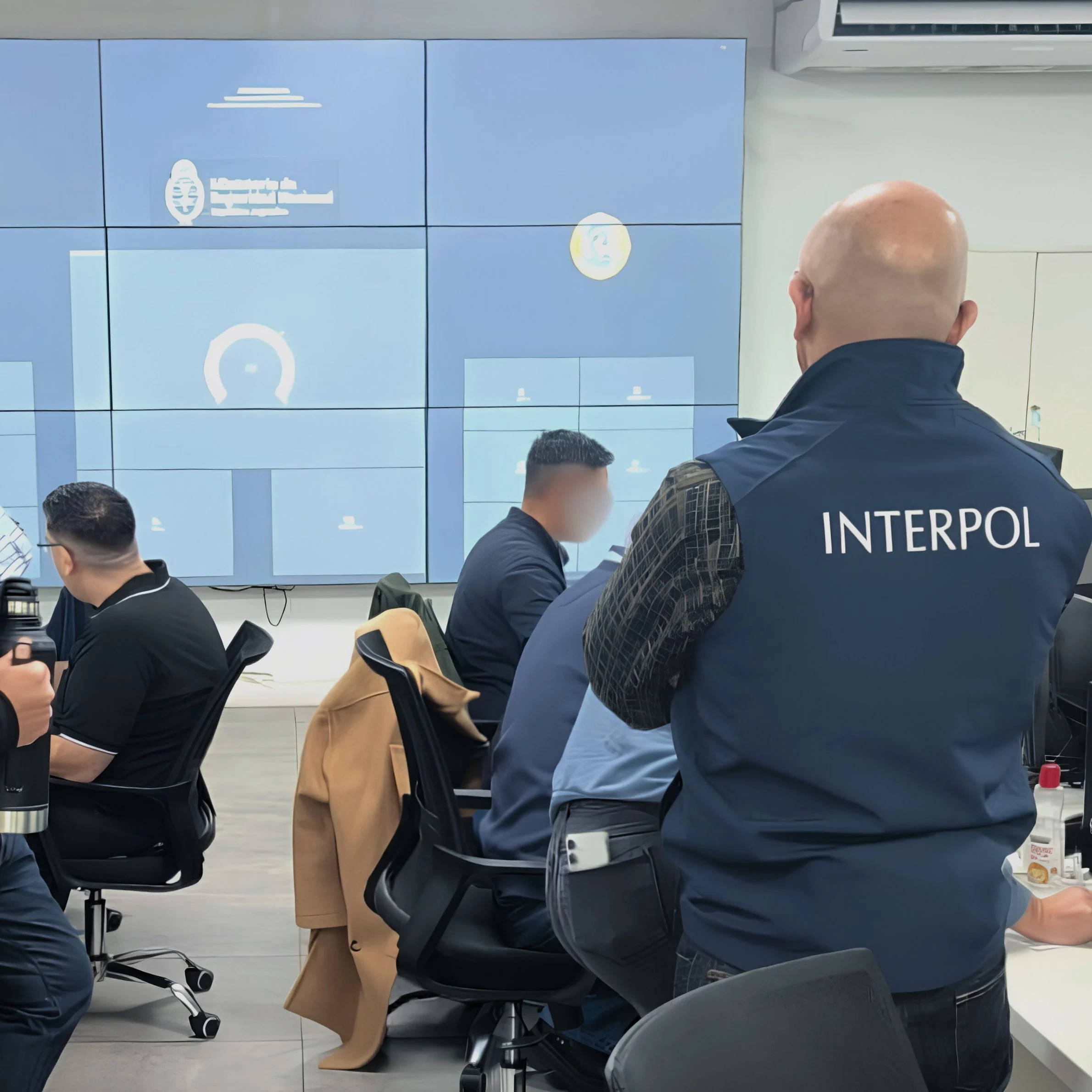

The International Criminal Police Organisation has said an artificial intelligence-assisted counter-terrorism operation identified 126 suspected foreign terrorist fighters from visual material published by jihadist groups.
Interpol said the operation, codenamed Operation Shams II, brought together 28 specialised officers and experts from 11 countries, including Nigeria. Other participating countries were Côte d’Ivoire, Ghana, Iraq, Kenya, Malaysia, the Philippines, Qatar, Tajikistan, Tunisia and Uzbekistan.
In a statement, Interpol described the exercise as a “first-of-its-kind” operation that combined artificial intelligence, facial recognition and other investigative technologies to analyse material associated with terrorist groups. According to the organisation, officers initially extracted 108,076 facial images from visual content published by jihadist groups.
Those images were subsequently narrowed down to 6,362 unique facial images for processing through Interpol’s facial recognition system. Additional images were provided by officers at the organisation’s National Central Bureau in Baghdad, Iraq. Interpol said “programmed AI agents and advanced AI-generated scripts were used to automate parts of the data collection and investigative processes, enabling the system to deduplicate and quality-check the images.”
Following processing and comparison, the organisation said 126 suspected foreign terrorist fighters were identified. “These matches will enrich existing intelligence on suspects, including potential locations and social networks,” Interpol said.
“The data is now being integrated into INTERPOL’s databases, reinforcing global efforts to detect, track and disrupt terrorist movements worldwide. Investigative leads identified during the operation are already being used to support judicial procedures in participating countries, including one case targeting two currently detained suspected foreign terrorist fighters.
“With thousands more images yet to be processed, further comparisons are ongoing and may identify additional leads.” Interpol stressed that results produced with the assistance of AI were subsequently reviewed and verified by trained officers and analysts rather than being treated as confirmed identifications solely on the basis of automated processing.
The organisation said investigators also used cryptocurrency tracing tools during the operation as part of efforts to identify suspected illicit financing. According to Interpol, three requests were sent to a virtual asset service provider seeking the disclosure of customer information.
The operation also included discussions between participating countries and representatives of the online gaming industry over concerns about youth radicalisation in online environments. “Beyond investigative activities, participating countries also met with representatives of the online gaming industry to address youth radicalisation in online environments,” Interpol said.
“The engagement strengthened cross-sector cooperation and identified opportunities to improve information sharing.”Interpol said thousands of additional images remain to be processed, meaning further comparisons could produce additional investigative leads.



2027: InterSociety threatens int’l sanctions against Soludo, Alia, four other govs

₦1,470 Petrol: ADC Says Tinubu Pushing Nigerians To Breaking Point

Businesses seek joint tax audits as federal, state authorities face coordination gaps

Shettima returns from India after BRICS Summit

Wike Tackles APC Governors: ‘You Are Politically Lazy’

Anambra Govt Challenges Peter Obi’s ₦2.13 Billion Ecological Fund Claim

Police arrest four over alleged sexual assault, shop-breaking

Nigerian politicians and celebrities mourn veteran actor Olu Jacobs
-

 Politics3 days ago
2027: InterSociety threatens int’l sanctions against Soludo, Alia, four other govs
- News2 days ago
₦1,470 Petrol: ADC Says Tinubu Pushing Nigerians To Breaking Point
- Business3 days ago
Businesses seek joint tax audits as federal, state authorities face coordination gaps
- News3 days ago
Shettima returns from India after BRICS Summit