News
CBN’s 350bps rate cut fails to trigger immediate drop in bank lending rates

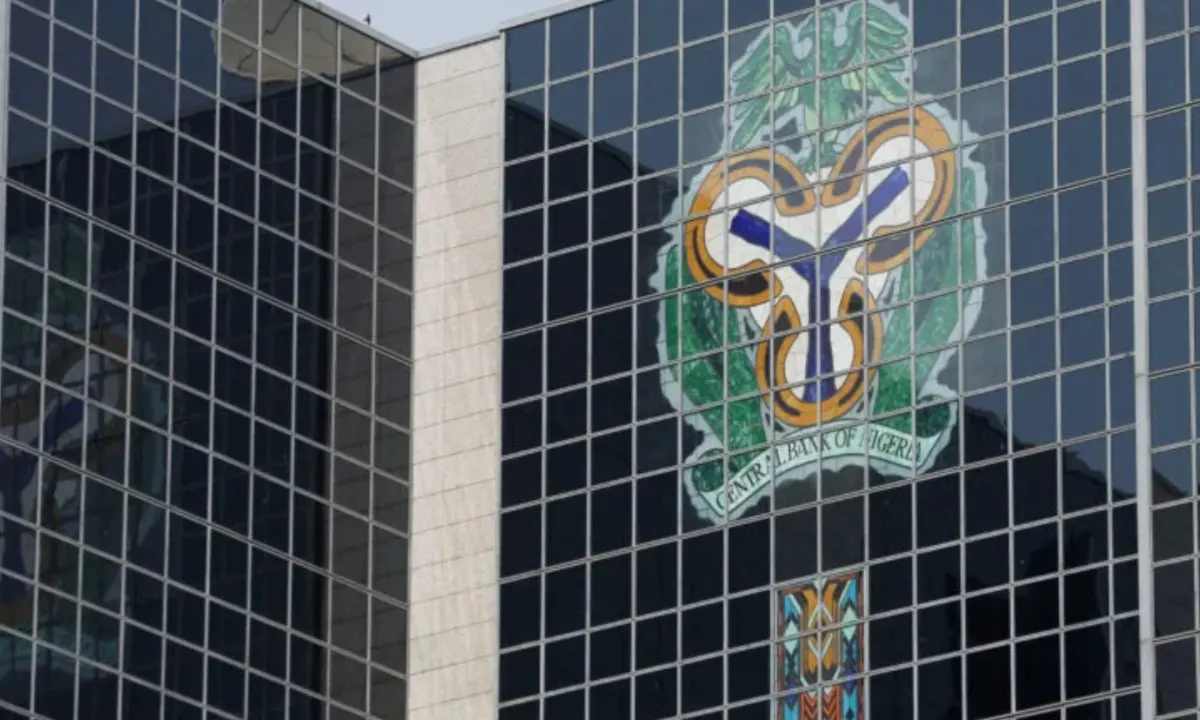
Nigerian banks have yet to significantly reduce lending rates nearly a week after the Central Bank of Nigeria (CBN) reset its Monetary Policy Rate (MPR) from 26.5 per cent to 23 per cent, leaving businesses and households waiting for the lower borrowing costs expected from the policy adjustment.
The CBN’s Monetary Policy Committee (MPC), at its September 21–22, 2026 meeting, reduced the MPR by 350 basis points and recalibrated the asymmetric corridor to +50/-300 basis points.
It retained the Cash Reserve Ratio (CRR) at 45 per cent for deposit money banks, 16 per cent for merchant banks and 75 per cent for non-TSA public-sector deposits.
The reduction, announced by CBN Governor Olayemi Cardoso on September 22, represents the largest MPR cut since December 2006, when the benchmark rate was reduced by 400 basis points from 14 per cent to 10 percent.
However, the apex bank characterised the latest adjustment as a reset rather than conventional monetary policy easing, aimed at restoring the MPR as an effective benchmark after market rates had moved significantly below the previous 26.5 per cent level.
Despite the adjustment, lending rates remain relatively high, with pricing varying across banks according to customers’ risk profiles, funding costs and individual credit policies.
Industry checks show that some banks are still assessing the impact of the new benchmark before changing their loan-pricing structures. One Tier-1 bank official said there were currently no plans to reduce lending rates, although savings deposit rates linked to the MPR could fall.
At another Tier-1 lender, a source said any review of lending rates would require approval by the bank’s Asset-Liability Committee, which oversees liquidity, profitability and interest-rate risks.
A Tier-2 bank source also indicated that the lender was adopting a cautious approach, stressing the need for stability and consistency before making pricing changes.
The hesitation comes despite calls from business groups and economists for banks to transmit the CBN adjustment to borrowers.
The Centre for the Promotion of Private Enterprise (CPPE), led by Dr Muda Yusuf, said the new monetary policy environment should be reflected in the pricing of credit.
Yusuf said lending rates on both new and existing facilities should progressively adjust downward, warning that failure to transmit the policy change could limit its impact on investment and economic growth.
The Lagos Chamber of Commerce and Industry similarly said the effectiveness of the policy would depend on transmission from the benchmark rate to actual lending rates and credit allocation.
Financial analyst Jerry Igwilo of Nisela Capital said borrowers should expect some reduction in loan costs, although the extent would depend on individual risk assessments.
Meanwhile, CBN data show that lending rates had already begun moderating before the latest MPR reset. The average maximum lending rate fell to about 29.19 per cent in August from 33.16 per cent in July.
The pace at which commercial banks adjust their loan pricing will therefore determine how quickly the CBN’s latest policy reset translates into relief for borrowers and improved access to credit.



Oil Marketers Slash Petrol Price to ₦1,350/Litre as Depot Rates Fall

âI believe all men cheatâ â Actress and filmmaker Angela Eguavoen

Troops intercept N2.7m ransom, phones meant for terror kingpin in Katsina

Wisconsin Frat leaders arrested after cops find teen pledges covered in food in basement

2027 elections: Minister Umahi gives conditions for PDP, opposition to campaign in Ebonyi
Ugandan socialite Zari Hassan asks security to kick out guests wearing jeans and T-shirt at her birthday party (video)

Court rejects suit seeking fresh police investigation into late singer Mohbadâs death

If we got intimate 10 times, my ex-husband would ask for a threesome 9.5 times â U.S.-based Nigerian nurse, Sugar opens up on broken marriage
-

 Breaking1 day ago
Oil Marketers Slash Petrol Price to ₦1,350/Litre as Depot Rates Fall
- Special Reports2 days ago
âI believe all men cheatâ â Actress and filmmaker Angela Eguavoen
- Special Reports3 days ago
Troops intercept N2.7m ransom, phones meant for terror kingpin in Katsina
- Special Reports2 days ago
Wisconsin Frat leaders arrested after cops find teen pledges covered in food in basement