

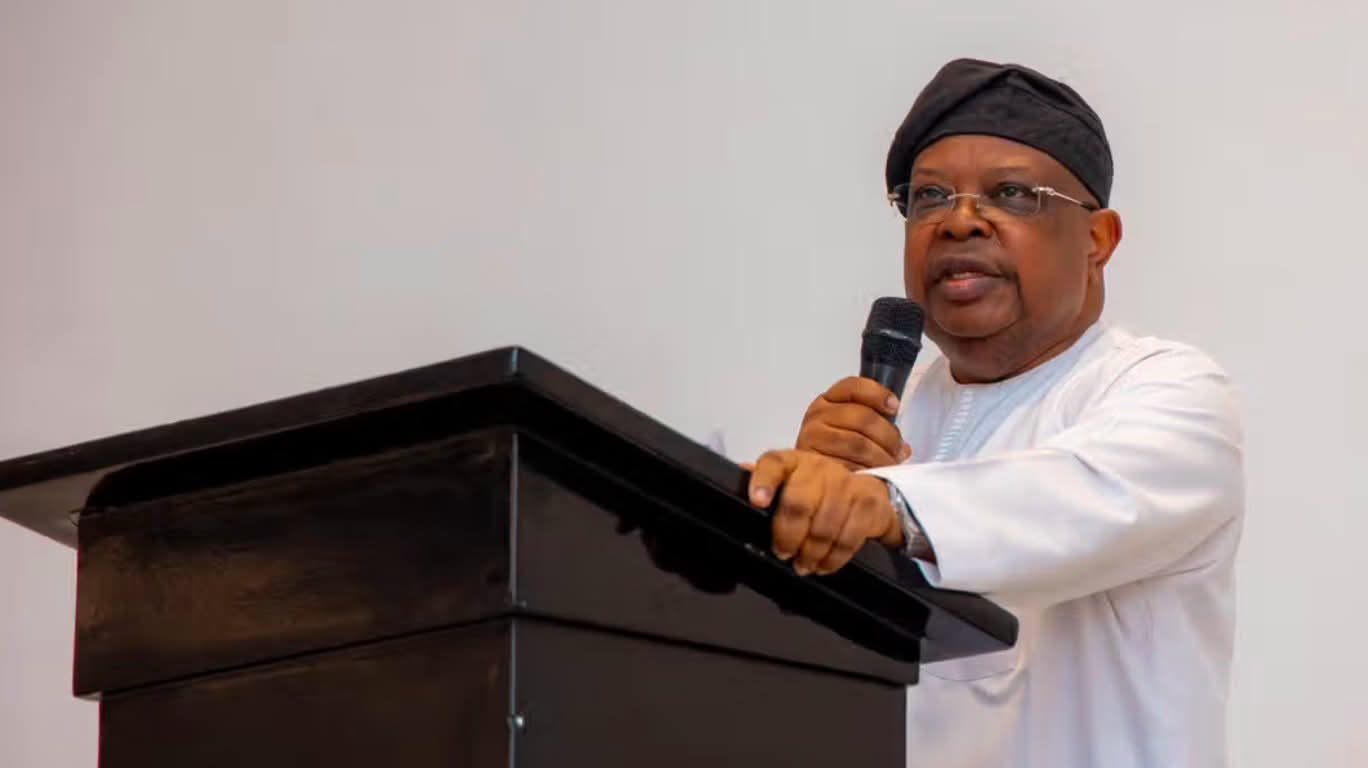

The Minister of Power, Joseph Tegbe, Tuesday noted that Nigeria’s power reforms offer a model for how developing economies can strengthen global energy security amid rising geopolitical fragmentation.
He stated this in a keynote address delivered at the opening plenary of the Middle East Energy 2026 Leadership Summit in Dubai.
Speaking on the theme “Energy Security and the Effect of Geopolitics” at the summit’s 50th edition, Tegbe told an audience of ministers, industry leaders and international dignitaries that energy security in 2026 can no longer be defined by hydrocarbon reserves alone.
According to a statement signed by Adeola Labzy, Special Adviser (Media and Publicity) to the minister, he described it instead as the resilience of an entire system, from critical mineral supply chains and grid infrastructure to the capital and institutions that keep energy flowing to homes, hospitals and industries under stress.
The minister positioned Nigeria as central to that global conversation, citing the country’s more than 200 trillion cubic feet of proven gas reserves and its two-decade record of reliable LNG supply to Europe and Asia.
He pointed to the Electricity Act of 2023 as the most far-reaching reform of Nigeria’s power sector in a generation, noting that it ended a long-standing federal monopoly and effectively created 37 emerging electricity markets across the federation under the leadership of President Bola Ahmed Tinubu, GCFR.


