News
’50 Companies Jostled, 30 Failed,’ How NNPC Picked Two Chinese Firms For PH, Warri Refineries’ Revamp Contracts

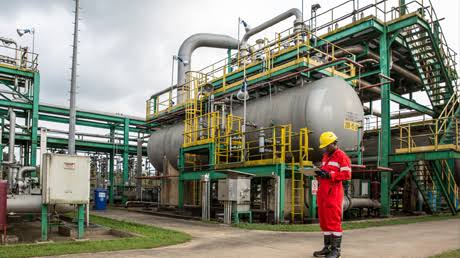
▪️Ojulari gives details of deal Sanjiang Chemical Company Limited and Xinganchen (Fuzhou) Industrial Park Operation and Management Co. Ltd won for the rehabilitation of two troubled refineries
It took nine months, over 50 companies, and a brutal screening that knocked out 30 bidders.
That is how NNPC Limited says it arrived at two Chinese firms — Sanjiang Chemical Company Limited and Xinganchen (Fuzhou) Industrial Park Operation and Management Co. Ltd — to revamp Nigeria’s troubled Port Harcourt and Warri refineries.
Group Chief Executive Officer of NNPC Ltd, Bayo Ojulari, gave the inside story on Tuesday at the NNPC Towers in Abuja, shortly after releasing the company’s 2025 financial results.
Fielding questions from journalists over the controversial choice of the Chinese firms, Ojulari was blunt. NNPC did not handpick them. They survived a fierce contest.
“Before we settled on these companies, we considered more than 50 potential partners and eventually narrowed the list to about 20,” Ojulari disclosed. “It took us approximately nine months to reach this stage of the process.”
NOP NIGERIA reports that the deal, which NNPC first announced in May, is currently an MoU for a potential Technical Equity Partnership to complete and operate the two refineries for best-in-class, sustainable performance. No final agreement has been signed yet.
Why Chinese companies? Ojulari said the difference was in what the other bidders wanted.
After NOP NIGERIA Report, Oil Ministry Director Queried, Minister Disowns Claim
Oil Theft: Fact And Figures Of A National Emergency, By Adeola Yusuf
Hyping The IPO: Dangote Refinery Worth N493, Not N525 – GTI Report
Dangote Alone Needs 2.1m Barrels: Africa’s Richest Man Upscales Oil Demand For Refining Empire
NOP NIGERIA Goes Live From Accra: Team On Ground To Cover Africa Oil Week 2026
According to him, most of the other firms that approached NNPC wanted equity handed to them or significant control over the refineries. Some demanded iron-clad contracts that would effectively make NNPC a bystander in its own assets.
Sanjiang and Xinganchen, he said, were different. They showed readiness to invest their own money, technology and expertise, not just collect a service fee.
“Although we have not yet signed a final agreement with them, they are the only ones that have demonstrated the level of alignment we are looking for,” Ojulari said. “Our vision is to build something sustainable, with a partner that is prepared to invest its own resources and expertise.”
To silence doubts about capacity and track record, Ojulari revealed he personally led NNPC’s due diligence mission to China, alongside board members. He saw their plants.
“We have conducted independent due diligence. We know its specific address and location, and I personally visited its facilities. I saw its operations with my own eyes,” he said.
The NNPC boss said the firms operate one of the largest petrochemical plants in China, a facility far more complex than a conventional refinery, and hold stakes and board seats in major Chinese refineries with access to top-tier talent.
He used a vivid analogy to explain NNPC’s new philosophy. The old model was like hiring a taxi to take your goods to the market — the driver does not care if you sell or not. NNPC, he said, wants a partner who owns the market stall with Nigeria.
Ojulari also warned that the reforms will make enemies. “When you take steps to stop certain leakages in the system and protect Nigeria’s interests, some people will inevitably be disadvantaged,” he said, urging Nigerians not to take every negative report at face value.
He noted that over 30 officials of the two Chinese companies have already visited Port Harcourt and Warri, spending months assessing the plants. The Warri Refinery, which reopened in December 2024, shut down in January over safety issues, while Port Harcourt was shut in May for scheduled maintenance.
Nigeria’s four state refineries — two in Port Harcourt (210,000 bpd), Warri (125,000 bpd) and Kaduna (110,000 bpd) — have a combined 445,000 bpd capacity but have gulped billions without sustained operation. For Ojulari, a 35-year industry veteran, this technical equity model is Nigeria’s last realistic shot at making them work and fulfilling NNPC’s role as supplier of last resort under the Petroleum Industry Act.
NOP NIGERIA















Oil Marketers Slash Petrol Price to ₦1,350/Litre as Depot Rates Fall

SERAP Gives CBN 7 Days to Explain Missing $6.23m Election Funds, ₦1.63trn Loans

Man City should be relegated to League Two, handed six-year transfer ban âFormer England footballer Darren Bent (Video)

Can Nigeria’s 350bps rate cut finally unlock cheaper credit?

UEFA Nations League: Cristiano Ronaldo may no longer start every match â Portugal head coach Jorge Jesus

Police Arrest Two Suspected Kidnappers in Oyo

Rykardo Agbor survives ghastly car accident weeks after father’s burial [VIDEO]

2027: El-Rufai Political Prisoner, Release Him if He Poses No Threat – Phrank Shaibu
-

 Breaking3 days ago
Oil Marketers Slash Petrol Price to ₦1,350/Litre as Depot Rates Fall
- Breaking3 days ago
SERAP Gives CBN 7 Days to Explain Missing $6.23m Election Funds, ₦1.63trn Loans
- Special Reports2 days ago
Man City should be relegated to League Two, handed six-year transfer ban âFormer England footballer Darren Bent (Video)
- Business3 days ago
Can Nigeria’s 350bps rate cut finally unlock cheaper credit?