Society
Conventional Military Capability No Longer Enough To Secure Nigeria—Musa

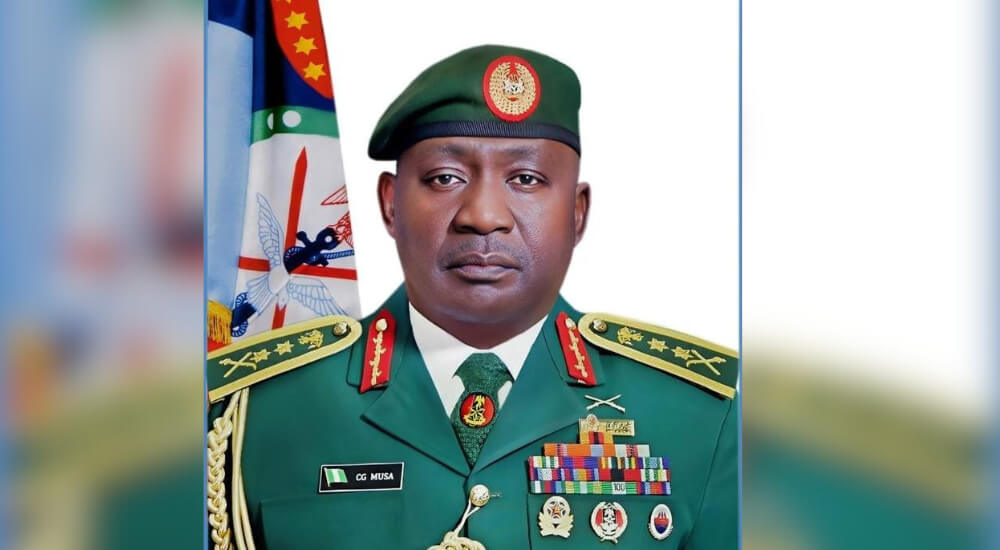
Nigeria must urgently adapt its defence architecture to emerging technologies, including artificial intelligence, unmanned systems and cyber capabilities, Minister of Defence Christopher Musa has said.
Musa, a retired general, made the call on Thursday while speaking at the second Policy Colloquium 2026 in Abuja, warning that the changing nature of security threats required Nigeria to strengthen its preparedness and remain ahead of emerging dangers.
The colloquium was organised around the theme, “Securing the Frontier: Strategic Defence Architecture, Emerging Technologies and Democratic Integrity in Nigeria.”
The minister said technological advances were rapidly transforming military operations and the broader strategic environment, making it necessary for Nigeria to invest in relevant technologies while developing the personnel and institutional capacity required to deploy them effectively.
“Technology is increasingly becoming a decisive factor in defence and national security,” Musa said.
He identified artificial intelligence, unmanned systems, surveillance and reconnaissance and cyber capabilities among the technologies reshaping modern warfare.
Musa said Nigeria could no longer afford to approach national defence solely through conventional military capabilities, stressing the need to prepare the Armed Forces for future security challenges.
“Rapid advances in artificial intelligence, unmanned systems, surveillance and reconnaissance, cyber capabilities and other emerging technologies are transforming military operations and altering the strategic environment,” he said.
He added that Nigeria must remain at the forefront of the developments by investing in relevant technologies and strengthening the “human, doctrinal and institutional capacity” needed to integrate them into military operations.
According to him, the development of emerging technologies also makes it strategically important for Nigeria to strengthen its domestic defence industrial base.
Musa said Nigeria’s security threats were increasingly spread across land, maritime, air and cyber domains, requiring closer coordination between the Armed Forces and other security institutions.
He called for an integrated defence posture backed by intelligence coordination, joint operations and interoperability among security agencies.
“Our defence architecture must remain agile and forward looking, with the capacity to anticipate threats, respond decisively and protect Nigeria’s territorial integrity and vital national interests,” he said.
The minister also said President Bola Tinubu’s administration had reaffirmed its commitment to strengthening national security and providing the Armed Forces with the capabilities required to protect Nigeria.
He said the Ministry of Defence was focused on military modernisation and improving the capacity of the Armed Forces to respond to the country’s evolving security environment.
Musa expressed confidence that discussions at the colloquium would produce practical recommendations capable of strengthening Nigeria’s defence posture.
He declared the event open after urging participants to deepen discussions on how emerging technologies and institutional reforms could be deployed to address Nigeria’s security challenges.



Access Holdings Extends Trading Dominance With Nearly 130 Million Shares

10 Years. ₦1.2bn. 40+ Tertiary Institutions by 2026. OPay Is Here to Stay

Nigeria reclaims Africa’s stock-market crown from Zimbabwe as FTSE return lifts sentiment

2027: Forget second term if US releases your documents – Primate Ayodele warns Tinubu

States’ revenue surges 221% after subsidy removal — report

Police arrest five over alleged possession of human eyes in Bauchi

Insurance Stocks Sustain Rally as SUNU, Sovereign Record Back-to-Back Gains

Nigeria draws the tax line between NGO and Business
-

 Finance2 days ago
Access Holdings Extends Trading Dominance With Nearly 130 Million Shares
- News2 days ago
10 Years. ₦1.2bn. 40+ Tertiary Institutions by 2026. OPay Is Here to Stay
- Business3 days ago
Nigeria reclaims Africa’s stock-market crown from Zimbabwe as FTSE return lifts sentiment
- Politics3 days ago
2027: Forget second term if US releases your documents – Primate Ayodele warns Tinubu