News
CBN mops up N6.62trn through OMO in September

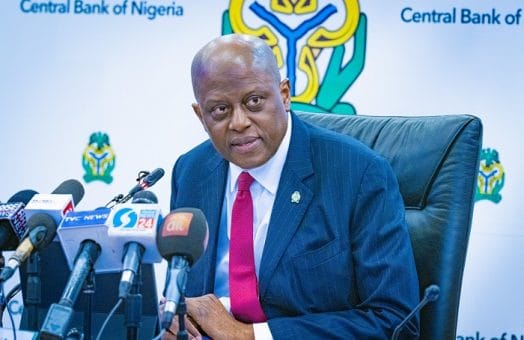
The Central Bank of Nigeria (CBN) withdrew an estimated N6.62 trillion in net liquidity from the banking system through Open Market Operations (OMO) in September 2026, as the apex bank intensified its use of securities to manage excess liquidity.
An analysis of CBN auction and maturity data showed that the bank sold approximately N17.51 trillion worth of OMO bills across five auctions held on September 1, 8, 16, 24 and 29.
However, about N10.89 trillion of maturing OMO bills was repaid during the month, meaning that roughly 62 per cent of the value of new bills sold was effectively offset by funds returning to the financial system.
The resulting net withdrawal of about N6.62 trillion represents approximately 38 per cent of the CBN’s gross OMO sales.
The development highlights the extent to which the CBN is using OMO instruments not only to sterilise excess liquidity but also to refinance maturing securities and extend the maturity profile of its liabilities.
The five auctions produced sales of N2.88 trillion, N4.40 trillion, N3.29 trillion, N2.255 trillion and N4.686 trillion, respectively.
On September 1, the CBN sold N2.88 trillion against a September 7 maturity of N62 billion, resulting in net absorption of approximately N2.82 trillion.
Similarly, the September 8 auction generated N4.40 trillion in sales against N3.07 trillion in maturities, producing net absorption of about N1.33 trillion.
Transactions around September 15 and 16 generated a much smaller net withdrawal of approximately N236 billion, with N3.29 trillion in reported sales against N3.06 trillion in repayments.
Meanwhile, the September 22/24 transactions, resulted in a marginal liquidity injection of about N15 billion.
The final auction on September 29 again produced a substantial withdrawal, with N4.686 trillion in OMO sales against N2.433 trillion in same-day maturities, leaving net absorption of approximately N2.25 trillion.
Investor appetite for the CBN’s OMO instruments remained strong despite declining stop rates during the month.
The newly introduced 266-day OMO bill, which matures in 2027, attracted N4.543 trillion in subscriptions against an initial offer of N1 trillion—representing demand approximately 4.54 times the amount offered.
The bill cleared at 16.23 per cent, with the CBN allotting N2.996 trillion.
The 182-day and 147-day instruments cleared at 16.94 per cent and 17.24 per cent, respectively.
Across the five September auctions, total subscriptions reportedly reached approximately N27 trillion, up significantly from the N18.72 trillion recorded in August.
The strong demand suggests that banks and other investors continued to find CBN securities attractive even as yields moderated.
Financial analysts said the size of the September operations should not be interpreted as a N17.51 trillion one-way withdrawal from the banking system because a substantial portion of the amount represented the rollover or replacement of maturing securities.
According to them, “Gross OMO sales can be misleading when there are significant maturities in the same period. What matters for liquidity conditions is the difference between what is withdrawn and what is returned.”
Experts note that the combination of substantial OMO demand and more than N6.2 trillion reportedly held under the Standing Deposit Facility (SDF) as of September 29, points to a banking system that still had significant investible liquidity.
The CBN’s decision to issue longer-tenor instruments could also have implications for future liquidity conditions because more funds would remain locked up until 2027 rather than returning to banks in the short term, they said.
Financial sector players say the operations are significant because the Apex Bank’s management of excess liquidity can influence short-term interest rates, money-market conditions, bank lending and, indirectly, inflationary pressures.
Sustained liquidity sterilisation could help moderate excess naira liquidity and reduce the possibility of large pools of idle funds moving into foreign exchange or other speculative assets.
Experts, however, cautioned that aggressive liquidity withdrawal could also raise funding costs for financial institutions if sustained for too long.



Makinde appoints veteran journalist Dunia as public affairs adviser

2027: If fuel comes down to ₦600 tomorrow, I will campaign for Tinubu — Amaechi

NNPC Launches ₦66 Fuel Discount Promo Nationwide

Nigerian social media activist Justice Crack files ₦5bn suit against Nigerian Army, Chief of Army Staff, AGF over alleged rights violations

Texas mom d!£s after allegedly k!lling 4-year-old daughter following custody ruling

PZ Cussons Offers Scrip Dividend as Profit Jumps 349% to N45.17bn

Former world bank director urges Nigeria to focus on productivity, not capital accumulation

NSCDC arrests two suspected car thieves, cable vandal in Kano
-

 News2 days ago
Makinde appoints veteran journalist Dunia as public affairs adviser
- Special Reports2 days ago
2027: If fuel comes down to ₦600 tomorrow, I will campaign for Tinubu — Amaechi
- Breaking3 days ago
NNPC Launches ₦66 Fuel Discount Promo Nationwide
- Special Reports2 days ago
Nigerian social media activist Justice Crack files ₦5bn suit against Nigerian Army, Chief of Army Staff, AGF over alleged rights violations