World News
As US bombs fall in Iran Ayatollah continues to murder his own people

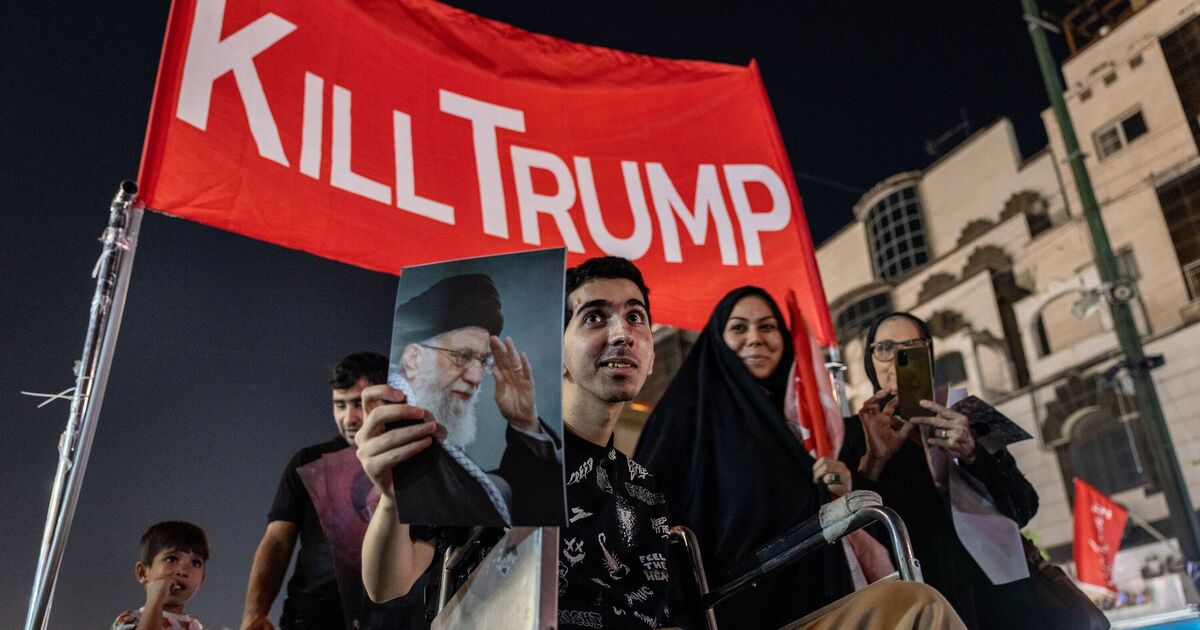
As the eyes of the world look to the ongoing US bombardment of Iran, Ayatollah Mojtaba Khamenei’s Islamic dictatorship continues to torture and kill its own people with impunity.
Early today the Iranian regime carried out yet another brutal killing — executing 26‑year‑old law graduate and PMOI member Mehdi Khanaki, who had already endured months of savage physical and psychological torture. Khanaki, arrested on February 10 for taking part in the January 2026 nationwide uprising in Karaj, was hanged solely for his membership in the People’s Mojahedin Organization of Iran (PMOI/MEK) which opposes the Ayatollah and the Revolutionary Guard (IRGC). His death marks the latest escalation in a campaign of terror aimed at crushing organised resistance in Iran.
Between March 30 and April 20 this year, the regime executed six PMOI members in Ghezel Hesar Prison and two more in Karaj Central Prison. Dozens of others now sit on death row, awaiting the same fate. Human‑rights monitors say the killings form part of a deliberate strategy to intimidate the population after months of unrest and to eliminate activists linked to the NCRI’s growing resistance network. An estimated 30,000 citizens were killed amid a terrible state crackdown on street rebellions in January,
Today’s execution came as the United States launched airstrikes on Iran for the 11th consecutive night, with President Donald Trump warning that the next target would be the mysterious Pickaxe Mountain complex, suspected by Washington of housing nuclear‑related activity. Sitting beside Lebanese President Joseph Aoun in the White House, Trump said: “We’ll be hitting that area pretty soon, and very heavily,” adding that he would not normally reveal targets unless he was certain Iran could do nothing to stop it.
Aoun used the meeting to announce that Lebanon would permanently end hostilities with Israel, a historic declaration that immediately triggered tensions on the ground. Lebanese troops entering a “pilot zone” vacated by the IDF were met with Israeli warning shots after crossing into what Israel considers its security buffer.
Meanwhile, turmoil continues to spread across global shipping lanes. With the Strait of Hormuz closed, the Red Sea has become a vital artery for oil flows — particularly Saudi Arabia’s rerouted exports. But yesterday several tankers halted their journeys near Yemeni waters after Houthi rebels warned shipowners against docking at Saudi ports, where they have imposed a blockade. Analysts say even these workaround routes could soon be jeopardised, threatening further spikes in global energy prices and hitting Asian markets hardest.
In Washington, US War Secretary Pete Hegseth endured a bruising appearance before the Senate appropriations committee. He requested $87.6 billion in additional funding, revealing that the conflict has already cost the US $37.5 billion. Hegseth insisted the war was being fought “in a realist, America First way” and was not an attempt to “remake Iranian society”. But even if lawmakers approve the money, it cannot be released until September, when the Senate returns from recess — leaving the Pentagon to stretch its current budget through weeks of intensifying operations.



Enugu Monarch Faces ₦2bn Lawsuit Over Alleged Unlawful Detention

Tears as Information Minister Idris honours late Chedi

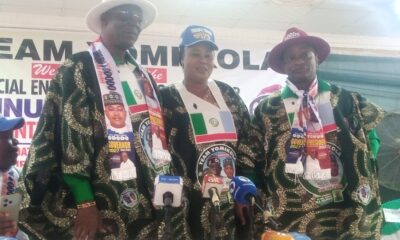
2027 polls: Kolawole leads APC rally, backs Tinubu, Ododo for second term

Taraba @35: Nguroje preaches peace, unity, hails Kefas, Nyame, Darius, others for growth

Families, stakeholders urge more action on missing persons in Nigeria

Moody’s revises Nigeria’s outlook to positive, cites ‘stronger-than-expected’ economic growth

NPC confirms death of chairman Aminu Yusuf

Bridge Head Violence: Injured traders discharged, CP orders investigation into midnight raids
-

 Breaking2 days ago
Enugu Monarch Faces ₦2bn Lawsuit Over Alleged Unlawful Detention
- News3 days ago
Tears as Information Minister Idris honours late Chedi
- News3 days ago
2027 polls: Kolawole leads APC rally, backs Tinubu, Ododo for second term
- News3 days ago
Taraba @35: Nguroje preaches peace, unity, hails Kefas, Nyame, Darius, others for growth