News
We blamed witchcraft for poor harvests – Benue farmers

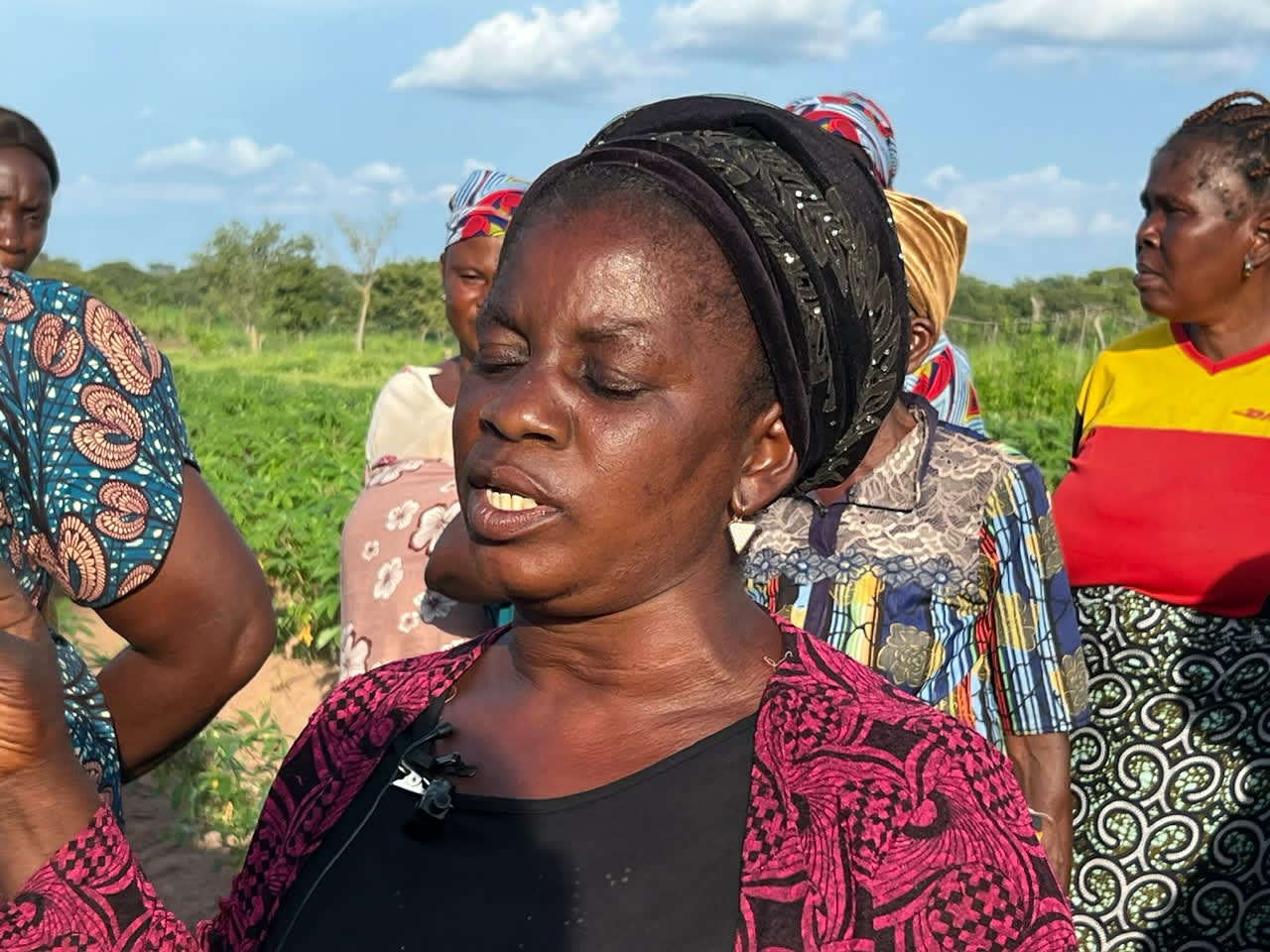

Farmers in Benue state have said they had long been blaming their poor yields on witchcraft, not knowing that their poor harvests were actually the result of wrong farming methods.
The farmers noted that the narrative was now changing following the intervention of the Sasakawa Africa Association, which has been training smallholder farmers in the state on modern farming methods, good agricultural practices and enterprise management, helping to improve their yields and livelihoods.
The beneficiaries of the Sasakawa Africa Association project are organised into seven groups of about 50 members each, operating across Gwer East, Gboko, Tarka, Guma, Ushongo, Vandeikya, Buruku and Konshisha Local Government Areas (LGAs).
During a visit to two farm locations at Mbatsaase and Mbatie in Buruku LGA beneficiaries at Mbatsaase, Msugh Ahura and Wuese Luper Felicia, said the training had opened their eyes to proper fertiliser application and farm establishment, proving that low yields were not caused by witchcraft.
According to them, low crop yields in their area were often attributed to witchcraft, a situation which created friction among farmers, who accused one another of casting spells on their farms to cause poor yields.
The lead beneficiary at Mbatie, Ngufan Blessing Chichi, said the association’s support had helped the cooperative recover after about 80 hectares of its 100-hectare farm were ploughed and destroyed by intruders.
She disclosed that Sasakawa allocated about ₦1.8 million to the group and provided a power tiller, which reduced the cost of cultivating one hectare from about ₦60,000 manually to about ₦30,000.
She added that the multipurpose cooperative now had about 58 hectares fully cultivated with cassava and soya beans and processed cassava into Apu flour for markets beyond Benue.
The Programme Officer, Market-Oriented Agriculture for Inclusive Market and Agribusiness Development, Mr Jonathan Yassah, said during the field visits that the farmers were taught to work collectively, keep proper records, contribute resources and manage their enterprises as cohesive groups.
He said the groups had recorded significant success in the production and marketing of cassava stems, with buyers travelling from Jigawa and Kano states to purchase planting materials.
According to him, the farmers had also been linked to markets in Nasarawa State and Karshi in the Federal Capital Territory, thereby reducing marketing challenges.
Yassah explained that the farms visited were adopted demonstration farms where recommended spacing and other good agronomic practices had been embraced.
Under the arrangement, Sasakawa provided inputs, including cassava stems and herbicides, while the farmers provided land and participated in practical demonstrations.
Moses Nongoatse, the Communications Officer of the Sasakawa Africa Association, provided additional information, saying the group had expanded from one to seven groups, received a mini-tractor through its partnership with Kubota, and had been identified for a possible Japan-supported project that could provide tractors and processing equipment for a full cassava value chain.
He stressed, however, that the proposed intervention was not a promise but a possibility dependent on the farmers’ continued commitment and ability to function effectively as a group.



Oju-Ore Bridge Safe,Structurally Sound,Says Works Ministry

Minister of Power secures commitment for establishment of industrial park

Dangote Refinery Opens N2.15tn Share Offer Today at N525 Per Share
‘Thunder will f!re all of you”- Nigerian woman slams netizens calling for the imprisonment of mother arrested for creating explicit content with her 7-year-old daughter (video)

Lagos: Desmond Elliot prostrates before Gbajabiamila, seeks forgiveness

Production rises by 0.4% in August as Nigeria meets OPEC quota

APC chieftain urges Tinubu to sustain Wike alliance ahead of 2027

FFS CG Adeyemi leads Nigeria’s delegation to world fire congress, signs WFC founding principles
-

 News2 days ago
Oju-Ore Bridge Safe,Structurally Sound,Says Works Ministry
- News3 days ago
Minister of Power secures commitment for establishment of industrial park
- Finance3 days ago
Dangote Refinery Opens N2.15tn Share Offer Today at N525 Per Share
- Special Reports3 days ago
‘Thunder will f!re all of you”- Nigerian woman slams netizens calling for the imprisonment of mother arrested for creating explicit content with her 7-year-old daughter (video)