
Connect with us


The Etsu Nupe, HRH Dr Yahaya Abubakar, has urged Nigerians to remain committed to national unity and development, urging Nigerians to take responsibility for building a stronger...



The National Executive Council of the Zang Secondary Commercial Old Students Association (ZASCOSA) has intensified efforts to engage prominent alumni and stakeholders, with a courtesy visit...
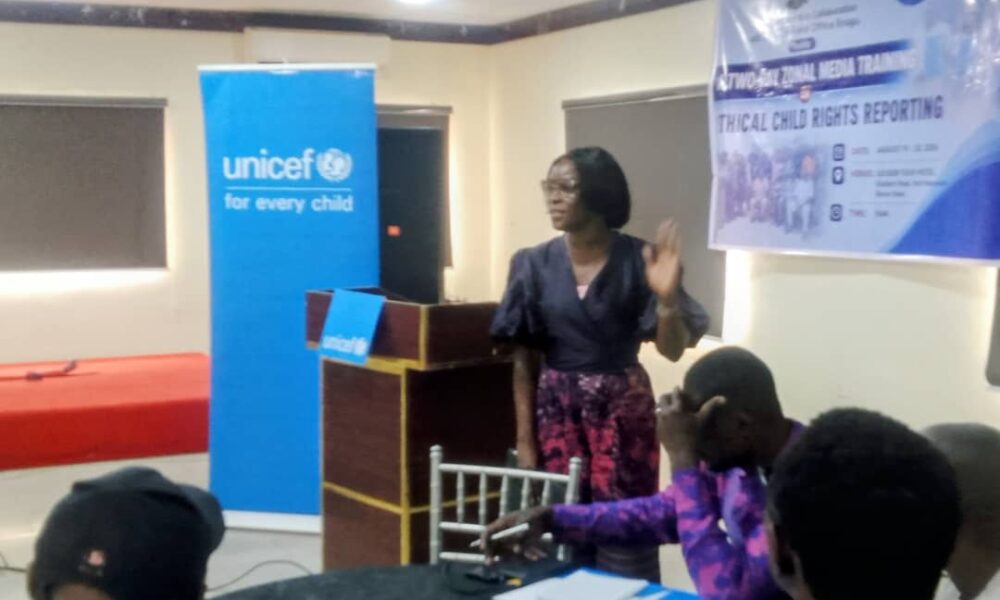

The United Nations Children’s Fund, (UNICEF), has urged journalists to imbibe ethical reporting by shielding children identities, and focus on solutions in their news coverage. UNICEF’s child rights experts made the call on Thursday in Port Harcourt at a two-day training organised for journalists on Ethica Reporting of Children. The two-day zonal workshop brought together editors, correspondents and media practitioners from print and broadcast organisations across nine states, to align reporting with Nigeria’s legal obligations and the realities children face. In her keynote, UNICEF Nigeria Communications Specialist, Sussan Akila, said journalists must prioritise the dignity and safety of children, especially in cases of abuse and molestation, warning that poor coverage could lead to stigmatisation, trauma and long-term harm. “Reports should be presented in a manner that justice can be done. A stigmatised child feels he has nothing to lose and, therefore, has a greater propensity to become an armed robber, bandit, or engage in other forms of criminality,” she said. Also speaking, a media consultant, Dr Geoffrey Njoku, highlighted provisions of the UN Convention on the Rights of the Child and the Child Rights Act 2003, noting that a child is any person under 18 and that their best interest must be paramount. “The law also prohibits child use in armed conflict, exposure to drugs, pornography and degrading treatment, he added. On his part, Dr. Jide Johnson of the Nigerian Institute of Journalism presented data from the 2022 Child Labour Survey, showing that 50.5 per cent of children are in economic activity, 39.2 in child labour and 22.9 per cent in hazardous work. According to him, one in two children live in income poverty and that newborn mortality stands at 41 per 1,000. Speaking on balancing public interest with protection, Mr Lanre Idowu, outlined children’s rights to survival, development, protection and participation, stressing quality, inclusive and child-friendly education. Speakers emphasised that ethical reporting means avoiding identification of victims, obtaining parental consent and child assent, anonymising details, and focusing on systemic issues rather than pity-driven stories. They stressed that while children in Nigeria face insecurity, poverty and stigma, the media can either worsen their burden or help protect them and hold institutions accountable.


… Says AERP ‘ll subsidise Nigerian refining, guarantee consumer benefit, progressively end need for subsidy Former Vice President of Nigeria and Presidential Candidate of the African...
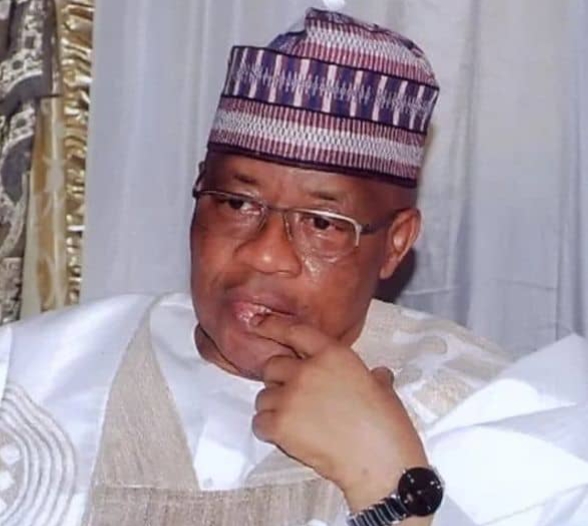

Former military President, General Ibrahim Badamasi Babangida (rtd.), has said the scale of corruption in Nigeria today makes the military administrations of his era appear like...


About 40 people are feared dead after a boat carrying farmers and farm labourers capsized in Gorau town, Goronyo Local Government Area of Sokoto State. The...


Bandits have killed a local vigilante and abducted a woman and her son during an attack in Kyauta, Millennium City, Kaduna state. The vigilante, identified as...


Socio clutural groups, Ethnic youth leaders have passed a vote of confidence in the Chairman of the Independent National Electoral Commission (INEC), Professor Joash Amupitan, following...
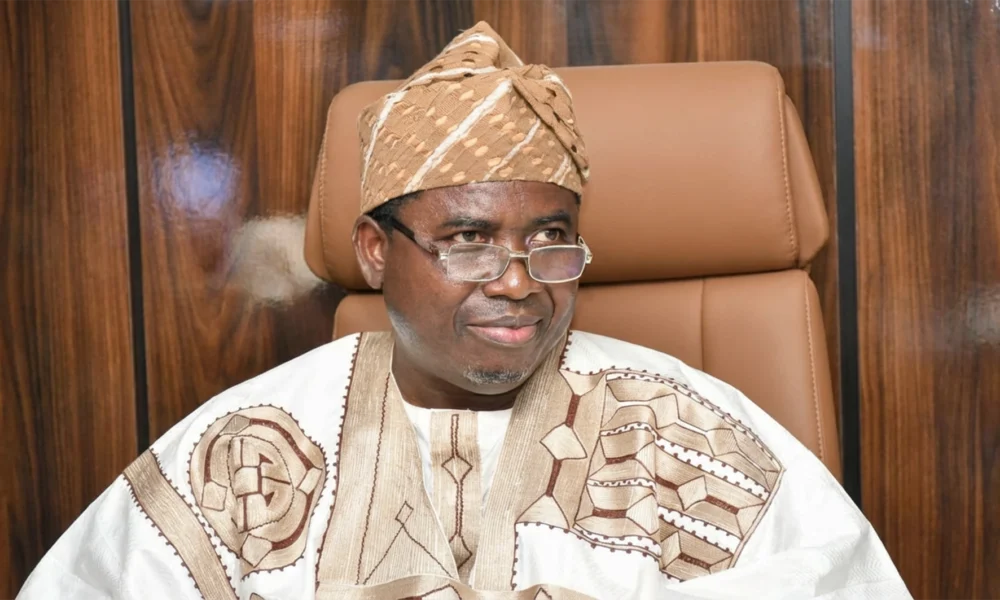

Socio cultural group, Arewa youth consultative forum has commended the Independent National Electoral Commission (INEC), under the leadership of its Chairman, Prof. Joash Amupitan, SAN, for...



The Minister of Humanitarian Affairs and Poverty Reduction, Dr. Bernard Doro, has urged humanitarian workers across Nigeria to remain committed to their service, assuring them that Nigerians value their contributions to vulnerable and crisis affected communities. Doro gave the assurance on Wednesday, in Abuja, while delivering the keynote address at the commemoration of the 2026 World Humanitarian Day, organised by the Federal Ministry of Humanitarian Affairs and Poverty Reduction in collaboration with Nigeria Humanitarian Action (NIHA). This was contained in a statement signed on Thursday by Janet McDickson Noah, the Director, Information and Public Relations of the Ministry. The event, held in Abuja had as its theme, “Strengthening Global Solidarity and Empowering Local Communities.” The minister said the federal government, under President Bola Tinubu’s Renewed Hope Agenda, remains committed to supporting vulnerable Nigerians and ensuring that humanitarian assistance reached those in need. He said the Ministry was working to establish a humanitarian coordination system that was nationally driven, professionally managed, locally responsive and financially sustainable, with seamless collaboration among the Federal, State and Local Governments, development partners, civil society organisations, academia, faith based organisations and the private sector. Doro identified the Ministry’s One Humanitarian, One Poverty Response System (OHOPRS) as a key national coordination framework designed to reduce duplication, strengthen institutional collaboration, promote data driven decision making, and integrate humanitarian assistance with recovery, resilience, social protection, and poverty reduction. He also called for greater investment in the welfare, professional development, remuneration, and incentives of humanitarian personnel, stressing that a motivated workforce was critical to an effective humanitarian response system. According to him, the theme of the 2026 World Humanitarian Day should be viewed not merely as a slogan but as an instruction to balance global solidarity with local capacity. “Solidarity without local strength is charity that cannot outlast the crisis that provoked it. Local strength without solidarity is a burden no community should have to carry alone,” he said. Doro said Nigeria must therefore receive international partnerships with gratitude while simultaneously building resilient communities capable of standing on their own. He appreciated the United Nations system, development partners, donors, governments, and humanitarian organisations for their continued support to Nigeria, noting that the transition from a predominantly UN coordinated humanitarian architecture to a government led coordination system was a strategic investment in the country’s resilience, sovereignty, and long term sustainability.