News
Stop lip service on women inclusivity, INEC charges poltical parties

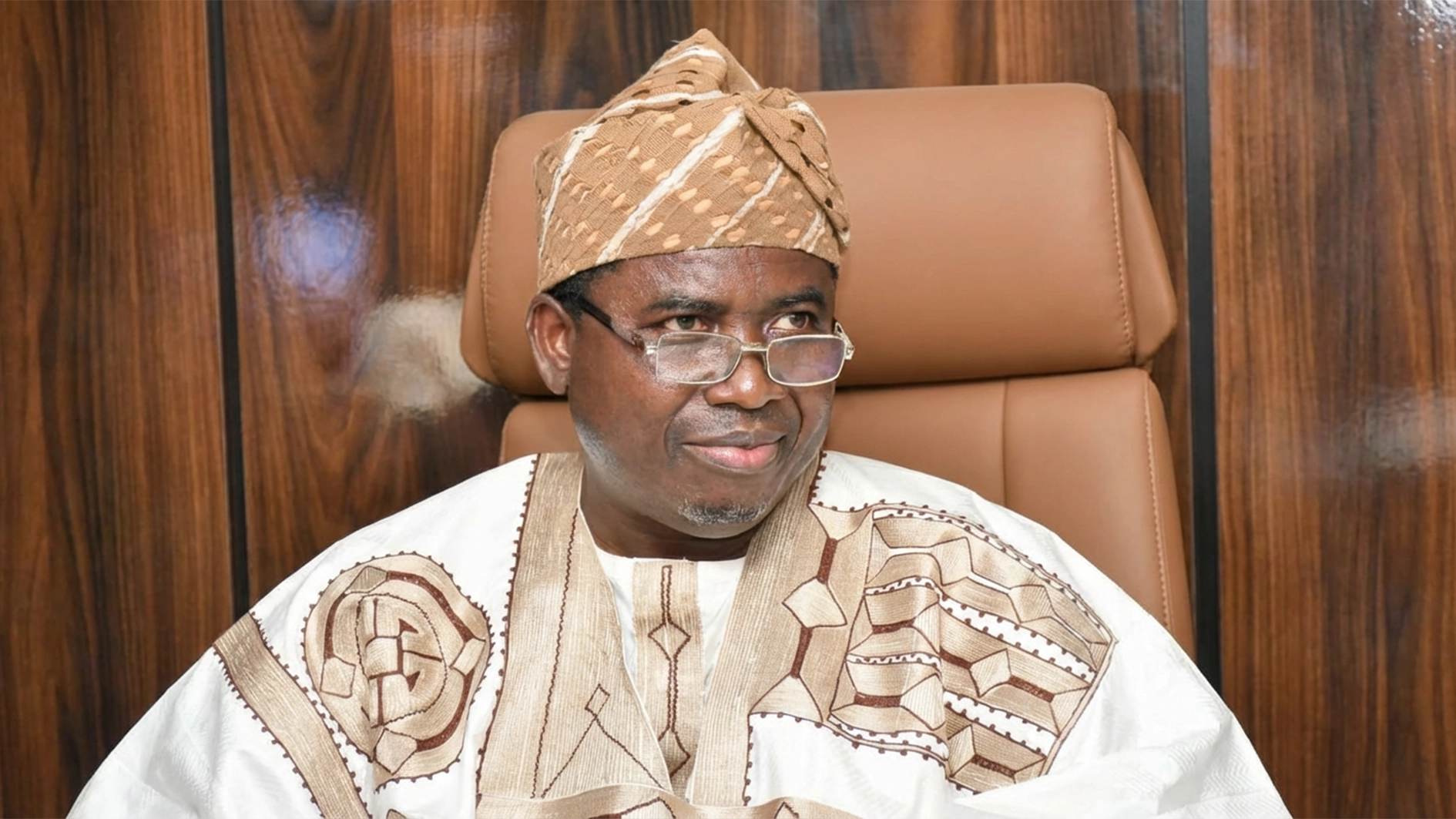

The Independent National Electoral Commission (INEC) has challenged political parties to move from lip service to concrete action on women’s participation in partisan politics.
The commission stated that women forms a formidable presence in Nigeria’s electorate, pointing out that “44,414,846 of the 93,469,008 registered voters in the 2023 general election, or 47.52 percent, were women, almost one in every two registered voters in the last general election.”
INEC Chairman Prof Joash Amupitan, SAN, represented by a National Commissioner, Prof. Rhoda Gumus, stated this in Abuja on Wednesday at strategic engagement with party leaders, female candidates, civil society organisations, development partners and the media in Abuja.
Prof. Gumus told participants that the question before the Commission was “not simply about the participation of women in one electoral cycle,” but one that goes to “the character, inclusiveness and long-term sustainability of Nigeria’s democracy.”
She said this trend had persisted into the ongoing voter registration exercise for 2027, disclosing that of the 3,867,997 Nigerians who completed registration in the exercise’s third phase as of July 26, 2026, women accounted for 2,037,589, or 52.68 percent, compared with 1,830,408 men.
“Women, therefore, accounted for the majority of new registrants in the final phase of the exercise,” she said, stressing that “women are not marginal to Nigeria’s electoral population. They are a substantial part of the electorate.”
Yet, she said, this weight at the polling unit was not reflected in candidacy or elective office.
Citing 2023 election data, Prof. Gumus said only 1,556 of 15,331 candidates across major elective positions, representing 10.15 percent, were women, while just three women were elected to the Senate and 16 to the House of Representatives, representing 2.8 percent and 4.4 percent of seats respectively.
“A substantial gap appears to exist between women’s participation as voters and their participation as political leaders,” she said.
She called on political parties to consider what practical support could be extended to female candidates in areas such as “access to party structures and leadership, campaign platforms, media visibility, fundraising networks, mentoring, political communication, logistics, security and grassroots mobilization,” and to examine whether women were being given genuine opportunities to rise through party structures.
“The participation of women is not a favour to women. It is a democratic imperative,” she said, urging parties to move “from commitment to action, from aspiration to implementation.”
In a welcome address by the Secretary to the Commission, Dr. Rose Oriaran-Anthony, read on her behalf by the Director, Gender and Inclusivity Department, Lakunuya Dorothy Bello, the advancement of women’s political participation “cannot be achieved by the Commission or by any single institution acting in isolation,” but required “a collective commitment and sustained action from all stakeholders.”



‘How I Sold My Two Babies, Stole 19 Children;’ Trafficking Suspect Confesses
âSay no to FBI office in Nigeriaâ â Lagos area boys protest against establishment of FBI office

NAFDAC blames Chinese dealers following backlash over counterfeits
"I came to Benue to condole with the community that was attacked, not for a campaign" – Peter Obi speaks after convoy was blocked by a mob (video)

Zenith Bank, FirstBank, GTCO Raise Dollar Spending Limits as FX Liquidity Improves

Benue: Police smash banditry, kidnap rings, rescue victims, arrest suspects

Dangote’s $1.6bn refinery IPO tests Africa’s ability to fund itself

FIFA and CAF order suspension of NFF election as it plans joint mission to Abuja
-

 News3 days ago
‘How I Sold My Two Babies, Stole 19 Children;’ Trafficking Suspect Confesses
- Special Reports3 days ago
âSay no to FBI office in Nigeriaâ â Lagos area boys protest against establishment of FBI office
- Special Reports3 days ago
NAFDAC blames Chinese dealers following backlash over counterfeits
- Special Reports3 days ago
"I came to Benue to condole with the community that was attacked, not for a campaign" – Peter Obi speaks after convoy was blocked by a mob (video)