News
NLC to Reopen Minimum Wage Talks, Demands N500,000

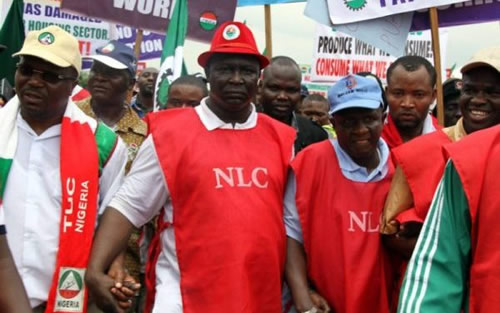
The Nigeria Labour Congress (NLC) is set to reopen negotiations with the Federal Government over a new national minimum wage, insisting that the current ₦70,000 wage can no longer meet workers’ basic needs.
NLC President, Joe Ajaero, disclosed this at the Rights of Workers Summit in Birnin Kebbi, Kebbi State, where he said organised labour would demand a minimum wage of at least ₦500,000.
Represented by the NLC Deputy President, Audu Amba, Ajaero attributed the demand to rising inflation and the increasing cost of living.
“Anything less than ₦500,000 cannot cater for workers. The current minimum wage is due for review, and we will soon begin negotiations with the government.”
READ ALSO:
Why I Planned Coup Against Tinubu, Colonel Ma’aji Reveals
Inside The N456bn Crisis That Landed Kaduna DisCo In Trouble
How, Where Nollywood Actress Temitope Osoba Will Be Buried – Family
2026 WASSCE Results Out + How To Check
The development comes amid renewed calls for improved wages as the August 11 deadline approaches.
The Trade Union Congress (TUC) President, Festus Osifo, represented by the Secretary-General, Nuhu Toro, also said prevailing economic conditions had significantly eroded workers’ purchasing power.
He cited rising food prices, transport fares, rent and inflation as factors that had rendered the ₦70,000 minimum wage inadequate, urging employers to comply with labour laws and improve workers’ welfare.
Kebbi State Governor, Nasir Idris, pledged his support for efforts to secure better remuneration for Nigerian workers.
Meanwhile, the Network of Abuja Left Groups urged Nigerians to support organised labour’s demand, describing the minimum wage dispute as a broader struggle for economic survival and dignity.
The group said improved wages would increase purchasing power and stimulate economic activities, benefiting farmers, traders, transport operators, artisans, landlords and small business owners.
It further noted that soaring prices of food, transportation, electricity, cooking gas, rent, medicines and school fees had substantially weakened the purchasing power of Nigerian workers.











Enugu Monarch Faces ₦2bn Lawsuit Over Alleged Unlawful Detention

International Energy Insurance Slumps 26.6% to Lead Weekly Losers

Trans-Sahara highway: Minister gives fresh orders to save buildings, others

How investors can legally reduce tax they pay on investments

2027: Why opposition parties should unite behind single presidential candidate – Lukman

INEC Denies 2027 Ad-Hoc Staff Recruitment, Warns Against Fake Website

2027: Makinde appoints Ehilebo as special adviser on media

Nigerians Divided as Pastor Kingsley Okonkwo Launches ₦700,000 VIP Marriage Platform
-

 Breaking2 days ago
Enugu Monarch Faces ₦2bn Lawsuit Over Alleged Unlawful Detention
- Finance2 days ago
International Energy Insurance Slumps 26.6% to Lead Weekly Losers
- News3 days ago
Trans-Sahara highway: Minister gives fresh orders to save buildings, others
- Business1 day ago
How investors can legally reduce tax they pay on investments


