News
Nigeria’s fish manufacturing hole presents an enormous alternative

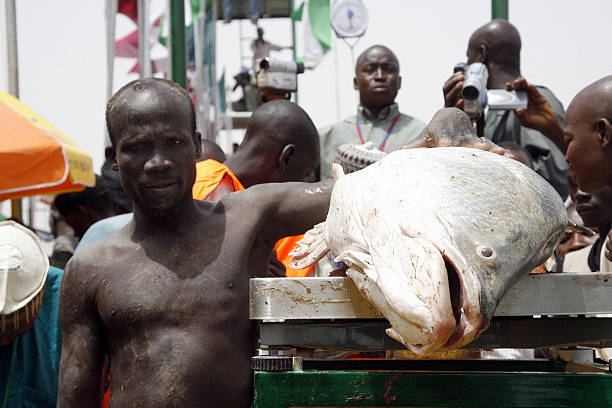
Fsh manufacturing deficit is among the challenges dealing with the Nigeria’s agriculture sector. However, past the problem lies a possibility that would create jobs, help native companies, enhance meals safety and contribute to financial development if correctly explored.
The Minister of Marine and Blue Economy, Dr Adegboyega Oyetola, not too long ago known as on traders and monetary establishments to reap the benefits of the alternatives in Nigeria’s catfish business. His attraction got here because the nation continues to battle to fulfill its annual fish consumption wants by means of home manufacturing.
According to the minister, Nigeria requires about 3.6 million metric tonnes of fish yearly, whereas native manufacturing from all sources stands at roughly 1.4 million metric tonnes. This leaves a big hole that continues to create room for fish imports and locations extra stress on the nation’s meals provide.
The figures elevate an vital query: why is a rustic with such a big demand for fish nonetheless unable to supply sufficient to fulfill its personal wants?
Nigeria is already one in all Africa’s main aquaculture producers and has a robust presence in catfish farming. Yet, the business’s potential has not been totally developed. The downside isn’t merely the variety of fish farms within the nation however the challenges affecting manufacturing, processing, distribution and entry to markets.
Fish farming is a crucial a part of the agricultural economic system, however its advantages transcend the manufacturing of fish. A correctly developed aquaculture business can help companies concerned in fish feed manufacturing, hatcheries, transportation, processing, chilly storage, gear provide and advertising. These actions can create employment alternatives for younger individuals and supply earnings for small and medium-scale companies.
However, increasing fish manufacturing would require greater than encouraging individuals to determine fish farms. There have to be deliberate funding in your complete worth chain. Farmers want entry to high quality fingerlings, reasonably priced feeds, dependable electrical energy, trendy gear and acceptable financing. Without these primary necessities, rising the variety of fish farms could not essentially result in a big enhance in manufacturing.
One of the foremost challenges confronting fish farmers in Nigeria is the excessive value of feed. Feeding accounts for a big a part of fish farming bills, and rising costs make it troublesome for a lot of small-scale farmers to function profitably. This is an space the place native feed manufacturing and analysis into different feed elements might make a distinction.
The interventions demonstrated beneath the Fisheries and Aquaculture for Africa, the Caribbean and the Pacific programme, referred to as FISH4ACP, together with using black soldier fly larvae instead feed ingredient, present that there are potential methods to handle a few of these challenges. However, such interventions should transfer past pilot initiatives and grow to be accessible to farmers throughout the nation.
Access to finance is one other severe concern. Fish farming requires capital, however many small-scale operators battle to acquire loans that mirror the character of their companies. Unlike another companies, fish farmers should spend money on manufacturing and wait for his or her fish to achieve market measurement earlier than producing earnings. Financial establishments ought to subsequently develop mortgage preparations that think about manufacturing cycles, reimbursement durations and the monetary realities of aquaculture.
The authorities additionally has an vital function to play. While the minister has assured traders of the Federal Government’s dedication to creating an enabling setting, the business wants sensible help that farmers can see and profit from. This contains improved infrastructure, reasonably priced vitality, entry to technical information, efficient fish well being administration and stronger market connections.
There can also be a must spend money on processing and cold-storage services. Fish is extremely perishable, and poor storage programs may end up in losses for farmers and merchants. Expanding cold-chain infrastructure would assist protect merchandise, enhance distribution and permit farmers to achieve markets past their instant communities.
The growth of aquaculture clusters and cooperatives, as proposed by the minister, might additionally assist deal with a few of these issues. By working collectively, farmers can cut back working prices, entry shared services, acquire technical help and enhance their bargaining energy available in the market.
Women and younger individuals shouldn’t be not noted of this chance. Rather than focusing solely on massive traders, authorities and monetary establishments ought to create alternatives for small companies and younger entrepreneurs to take part in several components of the worth chain. This would make the business’s development extra inclusive and create alternatives for individuals who could not have the sources to determine massive fish farms.
Nigeria’s fish manufacturing deficit shouldn’t be seen solely as an issue that requires authorities intervention. It can also be a enterprise alternative that may entice personal funding and help the expansion of native industries. But traders will want greater than assurances. They want an setting the place manufacturing prices are manageable, financing is accessible and companies can function with cheap confidence.
Ultimately, closing the fish manufacturing hole would require a coordinated effort involving authorities, traders, monetary establishments, analysis establishments and farmers. Nigeria has the demand, the market and the potential to develop its aquaculture business. What stays vital is popping these benefits into sustainable manufacturing and worthwhile companies.
The alternative is obvious, however the true take a look at will likely be whether or not Nigeria can deal with the challenges holding the business again and create an aquaculture sector able to assembly extra of the nation’s fish demand.
Muhammad Yasir Garba,
Maiduguri, Borno State



Nigeria-China commerce jumps 35% to $18bn as Lagos pushes joint ventures

Pray for the success of 2027 elections – Kaduna PDP candidate, Shehu Bawa to Nigerians

INEC targets 336 polling items for pre-2027 election simulation in Taraba

FirstBank Expands Digital Banking Services With Enhanced LIT App, Launches Nationwide Campaign

Second wives and people who marry divorcees won’t make heaven – Nigerian born once more Christian says

US names extra Nigerians in ‘Worst of the Worst’ listing

ADC Demands Tinubu’s Resignation, Threatens Impeachment Over Kano Revelation

2027: Atiku Storms Kogi, Says Nigerians Deserve to Live With Dignity
-

 Business3 days ago
Nigeria-China commerce jumps 35% to $18bn as Lagos pushes joint ventures
- Politics3 days ago
Pray for the success of 2027 elections – Kaduna PDP candidate, Shehu Bawa to Nigerians
- Politics3 days ago
INEC targets 336 polling items for pre-2027 election simulation in Taraba
- Finance3 days ago
FirstBank Expands Digital Banking Services With Enhanced LIT App, Launches Nationwide Campaign