World News
Trump's Ceasefire Bid Collapses: Iran Rejects Iraqi-Brokered US Proposal

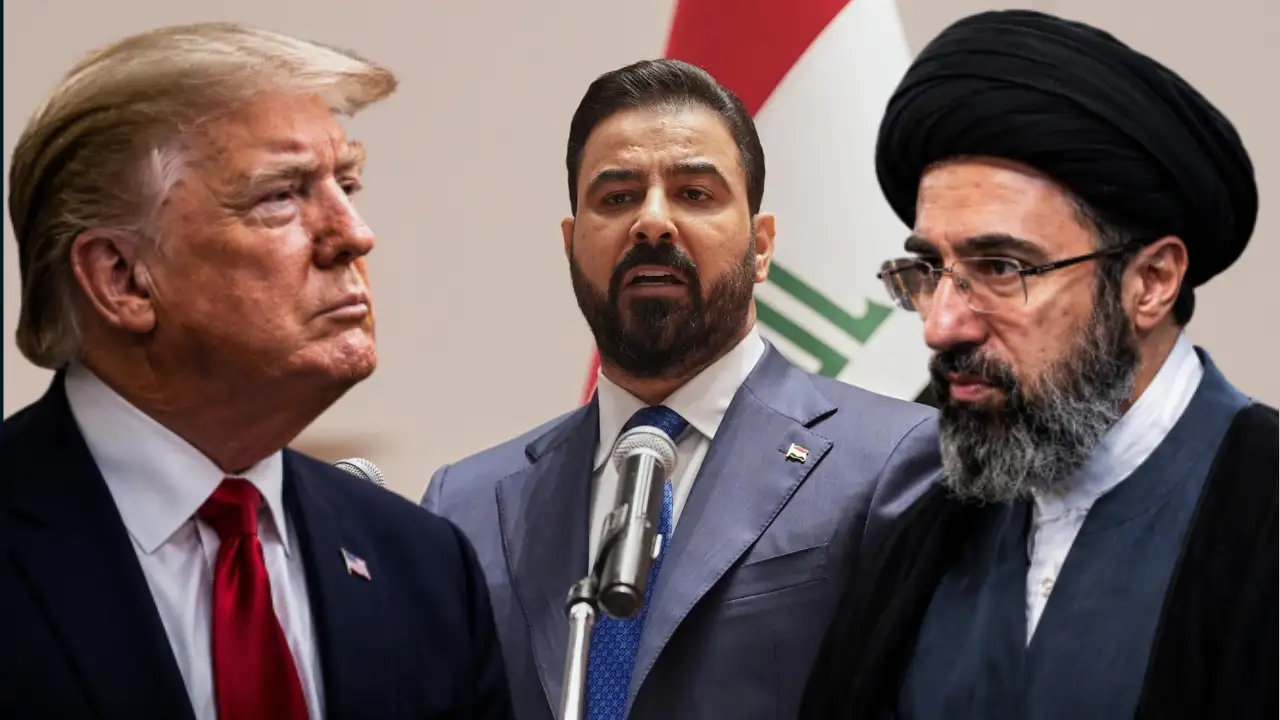
Iran has rejected a US ceasefire proposal reportedly conveyed by Iraqi Prime Minister Ali al-Zaidi following his meeting with President Donald Trump, according to Iranian and Iraqi officials.
Iran has rejected a ceasefire proposal from US President Donald Trump that was delivered to Tehran through Iraqi Prime Minister Ali al-Zaidi, according to Iranian and Iraqi officials familiar with the discussions. The reported diplomatic initiative collapsed as fighting between Washington and Tehran continued to intensify, with both sides expanding military operations across the Middle East. Iranian officials said the proposal failed to address the future of the Strait of Hormuz, which Tehran now considers central to any potential settlement.
The mediation effort followed Ali al-Zaidi’s recent visit to the White House, where he held talks with President Trump before travelling to Tehran with a senior Iraqi delegation. According to officials cited by The New York Times, the proposal represented the only formal ceasefire offer currently under consideration. However, Iranian officials reportedly concluded that a temporary pause in fighting offered little value if the dispute over the strategically vital Strait of Hormuz remained unresolved.
Tehran Says Mediation Is Not The Problem
During the visit, the Iraqi delegation met Iranian President Masoud Pezeshkian, Parliament Speaker and senior negotiator Brig Gen Mohammad Bagher Ghalibaf, as well as Foreign Minister Abbas Araghchi. The meetings reflected Baghdad’s continued efforts to position itself as an intermediary between Washington and Tehran, leveraging its close political and security ties with both countries. Despite those efforts, the discussions failed to produce any breakthrough.
Speaking after the meetings, Foreign Minister Abbas Araghchi acknowledged that the Iraqi prime minister had conveyed his impressions following discussions in Washington. He nevertheless dismissed suggestions that diplomacy had stalled because of inadequate communication channels, saying Tehran and Washington already had sufficient mediators. “The problem is not passing messages,” Araghchi said on Iranian state television. “The problem is America’s outlook, which is illogical, greedy and controlling.”
Strait Of Hormuz Emerges As Central Obstacle
Iranian officials told The New York Times that the ceasefire proposal was unacceptable because it left unresolved the question of control over the Strait of Hormuz. The narrow maritime passage handles a substantial share of global seaborne oil exports and has increasingly become the strategic centre of the current conflict. Since hostilities escalated, the United States has intensified military operations aimed at protecting commercial shipping, while Iran has sought to strengthen its influence over maritime traffic through the waterway.
The disagreement highlights how the conflict has evolved beyond conventional military exchanges into a broader contest over regional maritime dominance. Tehran appears unwilling to accept any arrangement that restores calm without addressing what it views as the long-term balance of power in the Gulf. For Washington, maintaining freedom of navigation through Hormuz remains a core strategic objective given its importance to global energy markets.
Military Escalation Continues Alongside Diplomatic Efforts
Even as diplomatic contacts continue through regional intermediaries, military operations have intensified across multiple fronts. According to the report, American forces have expanded strikes beyond military installations to include infrastructure such as airports, railways, bridges and seaports, while Iran has continued launching ballistic missile and drone attacks against US military facilities across the region. The parallel pursuit of diplomacy and military pressure illustrates how neither side currently appears prepared to significantly de-escalate.
Two Iranian officials also told the newspaper that Tehran’s armed forces are preparing for the possibility of a wider regional conflict if President Trump authorises strikes on the Iranian capital or additional critical infrastructure. They said Iran could respond by expanding attacks against Israeli targets, including Tel Aviv, while also urging its Houthi allies in Yemen to disrupt shipping through the Bab al-Mandab Strait, another vital maritime chokepoint linking the Red Sea to the Gulf of Aden.
On Thursday evening, supporters of the Iranian government gathered once again in Tehran’s Azadi Square for pro-war demonstrations as military vehicles carrying Iranian-made ballistic missiles were paraded through the capital. The public display reinforced Tehran’s message that it is preparing for a prolonged confrontation rather than expecting an immediate diplomatic breakthrough. With Iraq’s latest mediation effort now unsuccessful and both sides continuing military operations, prospects for an early ceasefire appear increasingly remote.











Court grants actress Doris Ogala bail

Nigerian govt cancels all 2026 NTI, NCE diploma admissions

Sokoto: Aliyu will increase NYSC allowance to ₦20,000, donates Hilux to coordinator

Troops Rescue Three Female Kidnap Victims in Plateau

'You had been mediocre as governor for 8 years, financial institution chairman' – Shettima slams Peter Obi

I attempted to influence Cristiano Ronaldo towards Portugal retirement – Portugal coach Jorge Jesus

'Where's N15.8 trillion saved from gasoline elimination, $100 billion you borrowed' – Peter Obi asks Tinubu

Woman offers start inside Lagos Danfo bus throughout journey
-

 Special Reports3 days ago
Court grants actress Doris Ogala bail
-
 Breaking3 days ago
Nigerian govt cancels all 2026 NTI, NCE diploma admissions
- News3 days ago
Sokoto: Aliyu will increase NYSC allowance to ₦20,000, donates Hilux to coordinator
- Breaking3 days ago
Troops Rescue Three Female Kidnap Victims in Plateau