
Connect with us



‘We are attacking the very lifeblood of organised crime,’ what Tomonobu Kaya, director of Interpol’s financial crime centre, said in a statement + What to know...
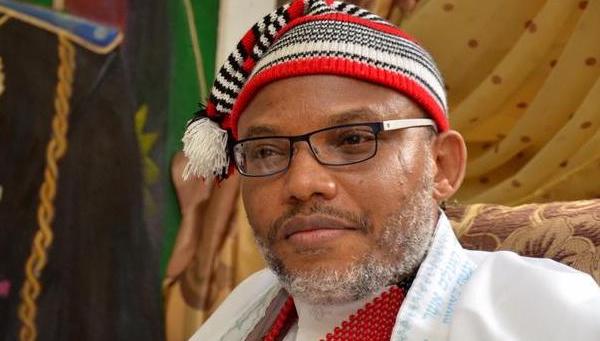


The Oluwo of Iwo, Oba Abdurosheed Akanbi, has appealed to President Bola Tinubu to grant the detained leader of the Indigenous People of Biafra, Nnamdi Kanu,...



Governor Uba Sani is determined to ensure that every child of school age gets access to basic education in Kaduna State, before the end of his...



President Bola Ahmed Tinubu has mourned the passing of journalist and publisher of The Eagle Online, Dotun Oladipo, describing his death as a painful loss to...


. As Meta calls on TikTok, YouTube to adopt same policies In a major legal settlement, Meta Platforms Inc. has agreed to pay as much...


As the official campaign for the 2027 governorship election commences in September 9, 2026, the Adamawa State All Progressives Congress (APC) governorship candidate, Ahmed Galadima Aminu...


The Minister of Women Affairs, Hajiya Imaan Sulaiman-Ibrahim, has expressed confidence that Nigerians would witness greater contributions to national development from popular aviator and politician, Comrade...


Stakeholders working to end child marriage in Nigeria have been urged to strengthen coordination, accountability and community-led interventions to protect girls and expand opportunities for them to determine their futures. The Country Director of Girl Effect, Boladale Akiwumi-Kolapo, represented by the organisation’s Programme Lead, Kosi Izundu, made the call on Wednesday at a National Technical Working Group meeting on ending child marriage in Nigeria. Akiwumi-Kolapo said ending child marriage goes beyond preventing marriage before the age of 18, stressing the need to equip girls with education, knowledge, skills and confidence to make informed decisions about their lives. She acknowledged Nigeria’s commitments and progress towards ending child marriage but noted that the scale and complexity of the problem required sustained and coordinated action. According to her, poverty, harmful social and gender norms, limited access to education and economic opportunities, as well as gaps in protection and support systems, continue to influence the prevalence of child marriage. She therefore called for interventions that address these interconnected factors rather than relying on isolated programmes. She described the National Technical Working Group as an important platform for government, development partners, civil society organisations and other stakeholders to coordinate efforts, share evidence, identify effective interventions and strengthen areas requiring greater attention. The Girl Effect Country Director also commended the Technical Working Group and its partners for developing a governance framework, describing the initiative as an important step towards improving coordination and accountability in the national response to child marriage. She said a clear governance structure would help define the roles and responsibilities of stakeholders, improve collaboration and strengthen accountability for actions aimed at ending child marriage. Akiwumi-Kolapo said Girl Effect remained committed to approaches that place girls and communities at the centre of efforts to tackle child marriage, including community-led social norm change, strengthening girls’ skills and agency, and creating environments that enable girls to remain in school and access opportunities. She stressed that sustainable progress would require stronger ownership and leadership at both national and subnational levels, adding that government leadership was essential to ensuring successful interventions were incorporated into policies, systems, budgets and routine programmes. representative of the Minister of Women Affairs, Mrs Marima F. Shaibu, called for stronger collaboration among government agencies, development partners, civil society organisations and other stakeholders to accelerate efforts to end child marriage in Nigeria. Shaibu said child marriage remained a significant violation of children’s rights and a major barrier to girls’ education, health, protection, empowerment and overall development. According to her, child marriage exposes girls to early pregnancy, gender-based violence, school dropout, poverty and other lifelong challenges. She said the Federal Ministry of Women Affairs had continued to provide leadership in the national response through the development and implementation of the National Strategy to End Child Marriage, with support from UNICEF Nigeria. She described the technical working group meeting as timely and strategic, noting that it would provide an opportunity to re-engage existing members and new entrants, identify emerging challenges and gaps, and strengthen multisectoral coordination. The Resentative of United Nations Children’s Fund (UNICEF) Faith Nyam, speaking on behalf of UNICEF Chief of Child Protection, Ms Nathalie McCauley, urged stakeholders to strengthen collaboration and adopt a multisectoral approach to ending child marriage in Nigeria. She said UNICEF, alongside the United Nations Population Fund (UNFPA), plays a leading global role in efforts to end child marriage and continues to work closely with the Federal Ministry of Women Affairs to protect girls from early marriage. According to her, UNICEF has supported the Technical Working Group over the years in bringing relevant partners together to strengthen collective efforts towards ending child marriage. She stressed that the challenge could not be addressed by a single organisation, noting that it requires sustained collaboration among government institutions, development partners, civil society organisations and other stakeholders. Faith Osarctin, Save the Children called for Stronger Action to Protect Girls From Child Marriage and ensure they remain in school and have access to quality education. Osarctin said children needed to be protected, survive and have access to quality education, noting that child marriage threatens these rights and limits girls’ opportunities to develop their full potential. She said Save the Children remained committed to contributing to discussions and initiatives aimed at developing practical solutions to accelerate efforts to end child marriage in Nigeria, Africa and globally. She expressed optimism that the meeting would produce concrete actions and strengthen partnerships towards protecting girls and ending child marriage.


A cultural custodian and farmer, Dr. Onuoha Nnachi, has called on governments at all levels to transform Nigeria’s traditional festivals and agricultural resources into sustainable economic platforms capable of creating jobs, empowering communities and strengthening food security. Nnachi made the call during the New Yam Festival known as”Iyi Akpa Oke Ikeji festival” in Ezi Edda, Ebonyi State, where he said cultural celebrations should go beyond entertainment to promote social cohesion, economic empowerment and preservation of indigenous heritage. He explained that the Edda New Yam Festival comprises activities including Ipo, a yam porridge prepared and eaten communally by hamlets, and Uri Ayegeya, a traditional dance marking the end of one farming season and the beginning of another. He said Ipo symbolises peace and mutual protection among members of a hamlet. According to him, the tradition is gradually disappearing and requires deliberate efforts to preserve it. Nnachi, who described himself as a custodian of culture, said he began organising the annual event to ensure that younger generations understood and sustained the heritage of their ancestors. He said the festival also provided opportunities for economic activities, as residents were engaged in food preparation, meat and fish roasting, trading and other services. He stressed that such activities could become sustainable sources of livelihood if properly structured. Nnachi said traditional markets and gatherings across the Southeast had significant economic value, describing the phenomenon as the “barrier economy,” where periodic markets generate income for traders and create a ripple effect for smaller businesses. He urged governments to focus on building systems that create entrepreneurs and jobs rather than relying on individuals to provide temporary financial assistance. “Take the individual out of it, and if the person is gone, the system is dead,” he said, stressing the importance of sustainability. On agriculture, Nnachi called on the Ebonyi State Government and other stakeholders to move beyond farming to develop agribusiness through production, processing, packaging and marketing. He disclosed that he cultivates about 17,000 hectares of farmland across Nigeria, with investments in different crops, and described agriculture as one of the most rewarding sectors when properly structured. According to him, poor processing and marketing remain major challenges facing farmers, resulting in huge post-harvest losses. He cited his experience in Benue State, where he said between 60 and 70 per cent of harvested fruits could go to waste because farmers were unable to find buyers. Nnachi also expressed concern that some rice produced in Ebonyi was taken outside the state for processing, arguing that developing local processing facilities would create jobs, reduce waste and increase the economic benefits of agriculture to the state. He disclosed that he operates a fish farm in Ebonyi with more than 50,000 fish, adding that proper processing, drying and packaging could enable farmers to meet export standards and earn foreign exchange. He also urged young people to embrace productive work and entrepreneurship rather than depending on political patronage. Nnachi, however, commended government efforts in education, particularly opportunities being provided for Nigerians to study abroad, and urged beneficiaries to return with knowledge and skills that would contribute to national development. He said cultural preservation, agriculture and education must be deliberately integrated into a sustainable development strategy.


Nigeria and Turkiye have reaffirmed their commitments to deepen defence cooperation with emphasis on local and joint production of defence hardwares and technology transfer. Speaking at...