News
SSANIP raises slarm over rising cost of living, insecurity


The Senior Staff Association of Nigerian Polytechnics (SSANIP) has raised the alarm over the worsening cost of living and insecurity in the country, saying rising prices of food, housing, healthcare, electricity and transportation have eroded workers’ wages and pushed families into hardship.
The union made the submission in a communique issued at the end of its 81st General Executive Council (GEC) meeting held in Abuja and jointly signed by its National President, Comrade Philip Adebanjo Ogunsipe, and National Secretary, Comrade Nura Shehu Gaya.
The communique, read by Ogunsipe, lamented that inflation had made it increasingly difficult for workers and households to meet basic needs, urging the Federal Government to review its economic policies and introduce measures to cushion the impact on citizens.
SSANIP called for stronger food security measures, support for vulnerable households and periodic wage reviews to ensure workers’ incomes reflect prevailing inflation and economic realities.
The union also expressed concern over the poor condition of roads across the country, describing potholes and damaged highways as death traps that increase transportation costs and negatively affect productivity.
It therefore, urged the government to urgently rehabilitate major highways, particularly roads connecting educational institutions, industries and rural communities.
On insecurity, the association said farmers, students and workers continued to live under fear of attacks, calling for improved intelligence gathering, better welfare for security personnel and a comprehensive strategy to address underlying factors such as unemployment and poverty.
“A nation cannot achieve sustainable development where its citizens are unable to live, work and travel safely,” the communique declared.
SSANIP also decried the deteriorating condition of public schools, hospitals, electricity and water infrastructure, saying obsolete equipment and poor maintenance were undermining productivity in public institutions.
It called for the modernisation of public facilities, transparent execution of projects and increased funding for education and healthcare.
Meanwhile, the union commended the Federal Government for the recently concluded renegotiation agreement affecting polytechnic staff, acknowledging the contributions of the Federal Ministry of Education, National Board for Technical Education (NBTE), National Salaries, Incomes and Wages Commission (NSIWC) and other stakeholders.
However, SSANIP urged the government to ensure the agreement is implemented promptly, saying timely implementation was essential to sustaining industrial peace and improving the welfare of polytechnic workers.















Nigerian lady exhibits off fashionable outfit she wore to her husband’s wedding ceremony to his third spouse (video)

ONSA, DSS, Police rescue 8 kidnap victims in Kaduna

28 states approve State Police Bill as National Assembly prepares to transmit to Tinubu

Osun NBA calls for digital improve, repairs for courts

FirstBank launches digital expertise centre in UniAbuja
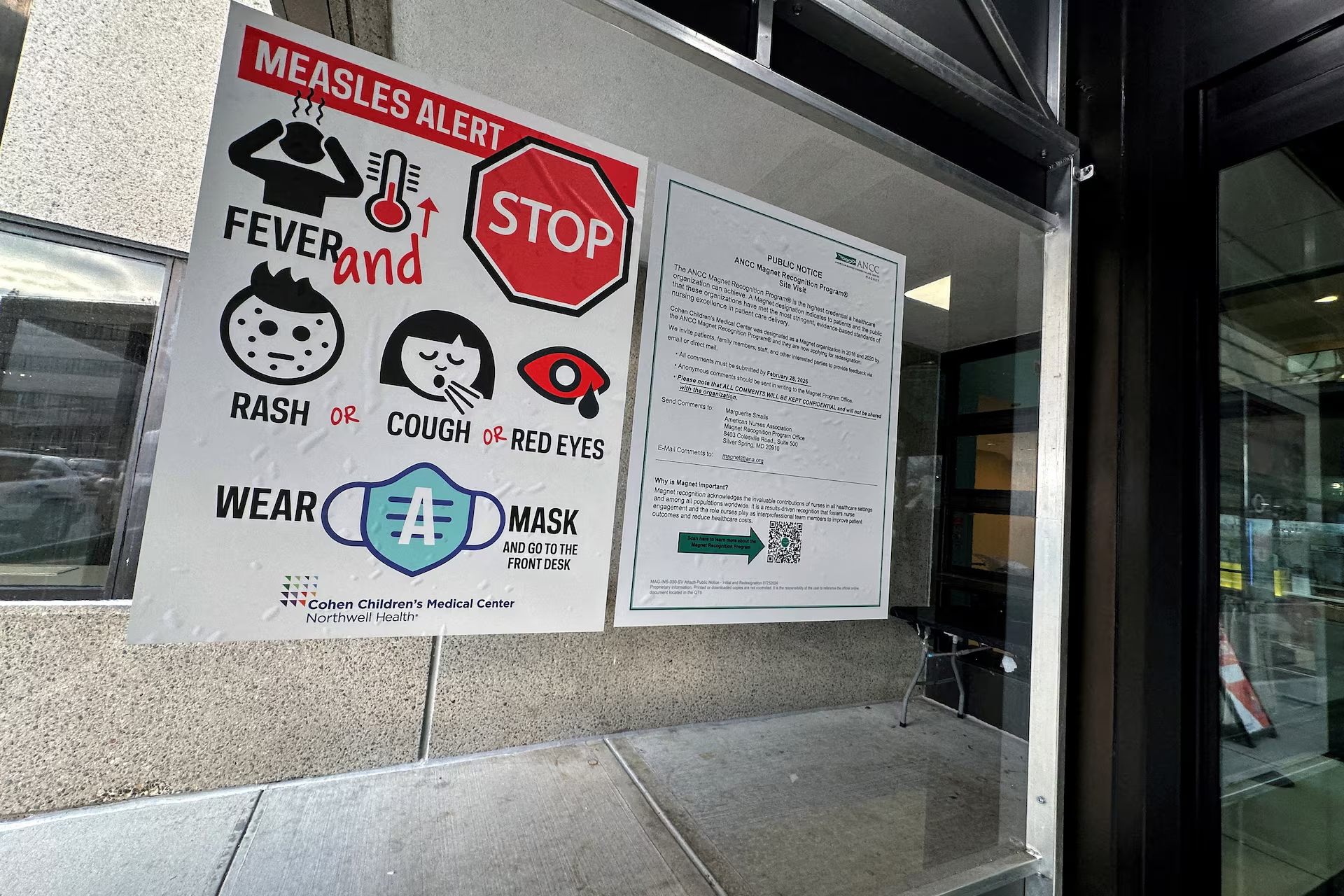
New York studies first measles-related de@th in 30 years

2027: NDC marketing campaign DG, others have deserted their responsibility, specializing in disputes – OK Movement

Nnamdi Kanu tried like somebody already marked for jail – Defence crew
-

 Special Reports3 days ago
Nigerian lady exhibits off fashionable outfit she wore to her husband’s wedding ceremony to his third spouse (video)
-
 News3 days ago
ONSA, DSS, Police rescue 8 kidnap victims in Kaduna
- Breaking3 days ago
28 states approve State Police Bill as National Assembly prepares to transmit to Tinubu
- Breaking3 days ago
Osun NBA calls for digital improve, repairs for courts