News
Lagos: The journey of transformation from congestion into megacity

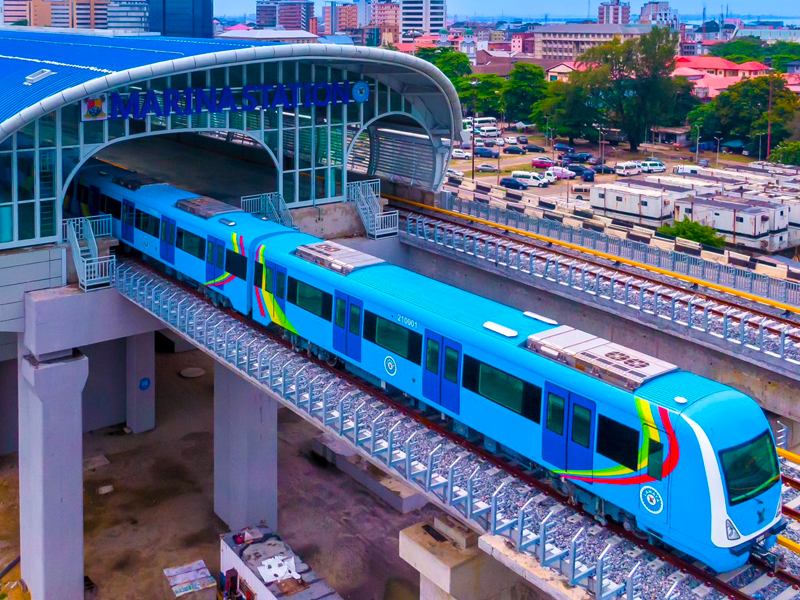

Lagos, the Centre of Excellence, has indeed evolved from its erstwhile inadvertent structure to a well-planned, modern city that is a delight to many residents. This is a result of years of careful planning by successive administrations in the state. In this Special Report, OGUNTADE ISMAILA narrates the story of this city from 1999 to date weighing on development initiatives embarked by respective governors.
For decades, Lagos was a city of paradoxes. Although Nigeria’s commercial heartbeat and economic gateway to West Africa, yet it was equally infamous for crippling traffic congestion, sprawling informal settlements, perennial flooding and infrastructure that struggled to keep pace with one of the fastest-growing urban populations in the world.
Millions flocked the city every year in search of opportunities, but got trapped in endless ‘go-slows’, overcrowded neighbourhoods and overstretched public services.
Until now, a normal weekday began long before sunrise. Office workers routinely left home at 4:30 am just to beat traffic, while traders travelling between the Mainland and Lagos Island often spent more time trapped inside commercial buses than conducting business.
A journey from Ikeja, for instance, to Victoria Island or from Ikorodu to Marina could consume between three to five hours during peak periods. Flooded roads, broken-down vehicles, indiscriminate parking, street trading and poorly coordinated transport systems compounded daily frustration.
Communities such as Ajegunle, Mushin, Orile, Oworonshoki and parts of Ikorodu were synonymous with deteriorating roads, clogged drainage channels and poor environmental sanitation.
During every rainy season, floodwaters submerged homes and businesses, displacing families and disrupting economic activities. The situation reinforced Lagos’ global image as a city battling the consequences of rapid urbanisation. However, 15 years later, the narrative is steadily changing.
The changing narratives
While Lagos still grapples with population pressure, housing shortages and congestion, the city today presents a markedly different picture. Across the metropolis, modern rail lines carry thousands of passengers daily, Bus Rapid Transit (BRT) corridors have expanded, ferry services are gaining momentum, major highways have been reconstructed and ambitious urban renewal programmes are reshaping communities once neglected by development.
Towering bridges, interchanges and high-rise developments now define sections of the skyline, while ongoing projects such as the Lagos-Calabar Coastal Highway and Eko Atlantic City reflect the state’s ambition to position itself among Africa’s foremost megacities.
The evolution
Urban planners say the transformation did not happen overnight, but represents the cumulative effect of long-term planning pursued across successive administrations. From the infrastructure-driven reforms initiated under former Governor Babatunde Fashola to the road expansion and bridge construction undertaken during Akinwunmi Ambode’s administration and the recent modernisation system under Governor Babajide Sanwo-Olu, Lagos has gradually shifted from reactive urban management to strategic, integrated planning. This transformation is work in progress.
However, critics argue that while physical infrastructure has improved significantly, the benefits have not been evenly distributed. Rising property values, displacement resulting from urban renewal projects, increasing housing costs and persistent flooding in low-lying communities continued to generate debates over who truly benefits from Lagos’ rapid modernisation.
Lagos pre-2011 and 2026
Fifteen years ago, transportation depended almost entirely on roads. Yellow danfo buses dominated public transport, commercial motorcycles filled the gaps left by inadequate bus services, while private vehicles overwhelmed road networks designed for a much smaller population.
Daily traffic congestion was accepted as unavoidable part of life. Third Mainland Bridge, Ikorodu Road, Oshodi-Apapa Expressway, Agege Motor Road, Lagos-Badagry Expressway and the Lekki-Epe corridor ranked among Nigeria’s worst traffic hotspots. Motorists routinely spent hours trapped in stationary traffic caused by accidents, broken-down trucks, indiscriminate parking and poorly regulated commercial transport.
For businesses, the consequences were enormous. Delivery schedules became unpredictable, logistics costs increased, fuel consumption soared and employee productivity suffered. Many companies adjusted working hours simply to help staff navigate Lagos’ notorious congestion.
Environmental conditions compounded the challenge. Blocked drainage systems frequently turned roads into rivers after heavy rainfall. Flooding rendered many roads impassable, while uncontrolled waste disposal worsened the situation.
Urban planning experts repeatedly warned that Lagos’ population growth would eventually overwhelm existing infrastructure unless government adopt long-term, integrated development strategies.
From road expansion to integrated transport system
Perhaps, the clearest symbol of Lagos’ transformation lies in transportation.
Rather than relying solely on road construction, successive administrations embraced the concept of multi-modal transport network combining rail, road and water transportations.
The foundation for this approach was laid during the administration of Babatunde Fashola, whose government strengthened the Lagos Metropolitan Area Transport Authority (LAMATA), expanded the Bus Rapid Transit (BRT) system and accelerated planning for the Lagos Rail Mass Transit project. The BRT scheme, initially viewed with skepticism, demonstrated that dedicated bus corridors could move significantly more passengers than conventional road traffic while reducing travel times.
His successor, Akinwunmi Ambode, continued the momentum by investing heavily in strategic road reconstruction, bridge projects and traffic junction improvements. Major projects such as the Ajah and Abule Egba flyovers, alongside extensive rehabilitation of inner-city roads, eased congestion at several notorious bottlenecks. The administration also modernised public bus fleets and expanded transport infrastructure to support future rail operations.
Rail transport revolution
The most visible breakthrough, however, came under Governor Sanwo-Olu with the delivery of the Lagos Rail Mass Transit system. For decades, urban rail existed only as a promise; today, it is an operational reality. The Blue Line, connecting Marina with Mile 2, introduced modern electric rail transport to Lagos, offering commuters a fast, predictable alternative to congested highways. Services have expanded steadily, carrying thousands of passengers daily and significantly reducing travel times along one of the city’s busiest transport corridors.
The impact has been immediate. Today, a journey that once took 90 minutes to three hours during peak periods can now be completed in 20 minutes by rail. Office workers who previously spent hours in traffic now arrive work more predictably, while businesses benefit from improved reliability in the movement of people.
The opening of the Red Line further strengthened the city’s transport network, linking Agbado to Marina through key mainland districts including Ikeja, Oshodi, Mushin and Oyingbo by redefining mobility in Africa’s largest city.
Land transport magic
Beyond the rail system, Lagos has continued to strengthen its Bus Rapid Transit (BRT) network. Dedicated BRT lanes on major corridors have significantly improved travel times for thousands of commuters, while the introduction of modern buses has enhanced comfort and reliability. Although operational challenges remain, including bus shortages during peak periods, the BRT system has become a vital component of the city’s integrated transport strategy.
Water transport too
Water transportation has also emerged as a viable alternative in a city surrounded by lagoons and creeks. New ferry terminals, modern jetties and increased private-sector participation have encouraged more commuters to embrace water transport, reducing pressure on roads while creating additional transport options for waterfront communities.
The introduction of the Cowry Card, which allows passengers to pay across multiple transport services, reflects Lagos’ gradual transition towards an integrated public transport system comparable to many global cities.
Transport planners argue that while congestion has not disappeared, commuters today enjoy more travel alternatives than they did 15 years ago. The challenge has shifted from complete dependence on roads to managing a growing multimodal transport network that can accommodate an expanding population.
Urban renewal in old communities
Transportation is only one aspect of Lagos’ transformation. Across several neighbourhoods, urban renewal projects have altered the physical landscape and improved public infrastructure.
Ajegunle, for instance, long associated with bad roads and overcrowding, has witnessed road reconstruction, expanded drainage systems, environmental sanitation campaigns and rehabilitation of public facilities. While many challenges remain, residents acknowledge that accessibility has improved considerably compared to a decade ago.
Mushin, one of Lagos’ oldest and densely populated communities, has equally undergone significant changes. Roads once riddled with potholes have been reconstructed, drainage channels widened and markets upgraded. Improved street lighting and rehabilitation of public schools and healthcare facilities have also enhanced the quality of life for residents.
Orile has benefited from road rehabilitation, canal desisting and drainage expansion aimed at reducing perennial flooding. Improved connectivity has attracted new commercial investments, while better infrastructure has encouraged private developers to invest in residential and commercial projects.
Oworonshoki, once notorious for flooding and deteriorating roads, has also witnessed ongoing regeneration. Strategic road projects, drainage improvements and environmental interventions have gradually changed the face of the community, although residents continue to call for more comprehensive redevelopment.
Across these communities, urban renewal has produced mixed outcomes. Indigenous property owners have benefited from rising land values, while improved infrastructure has stimulated economic activities and increased investor confidence.
The Makoko debate
Few communities illustrate Lagos’ urban planning dilemma compared to Makoko. Stretching across the Lagos Lagoon on wooden stilts, Makoko has become one of Africa’s most recognisable informal settlements. It has attracted international attention for its floating homes, resilient fishing culture and innovative architectural concepts, including floating schools designed to adapt to rising water levels.
Yet Makoko also symbolises the enormous planning challenges confronting a rapidly expanding coastal megacity. Government authorities argue that uncontrolled development along waterways threatens environmental sustainability, obstructs drainage channels and exposes residents to flooding, fire outbreaks and health risks. Officials maintain that stricter planning regulations are essential to protect lives and safeguard Lagos’ fragile coastal ecosystem.
Community leaders and civil society organisations, however, contend that development should focus on upgrading existing communities rather than wholesale demolitions. They advocate renewal that provides roads, sanitation, schools, healthcare centres, potable water and drainage while preserving livelihoods and social networks.
Urban planners increasingly support this approach, arguing that inclusive regeneration produces better long-term outcomes than forced displacement.
Remembering Maroko
The shadow of Maroko continues to influence public perception of urban renewal. This former waterfront settlement was demolished in 1990, displacing thousands of residents and paving the way for upscaling developments that now define parts of Oniru, Victoria Island and Lekki.
For many Lagosians, Maroko remains a painful reminder of the human cost that can accompany redevelopment when resettlement and compensation are poorly managed.
Consequently, contemporary renewal projects in waterfront communities often provoke anxiety among residents who fear losing homes, businesses and ancestral communities.
Coastal highway signals new economic ambition
Among the most ambitious infrastructure projects currently reshaping Lagos is the Lagos-Calabar Coastal Highway. The multi-billion-dollar highway begins in Lagos and is designed to connect nine coastal states through a modern transport corridor stretching approximately 700 kilometres along Nigeria’s Atlantic coastline.
Within Lagos, completed sections have already improved connectivity along the Lekki-Epe axis while opening new investment opportunities in real estate, tourism, logistics and manufacturing.
Designed with reinforced concrete pavement, grade-separated interchanges and provisions for future rail infrastructure, the project represents one of the country’s largest transportation investments in recent history.
Supporters believe the highway would reduce travel time, stimulates regional commerce, creates employment opportunities and unlocks billions of naira in private investment, but the project has not escaped controversy.
Demolitions along parts of the corridor have affected residential and commercial property, generating criticism from property owners and civil society groups concerned about compensation and resettlement.
Despite these concerns, many economists believe the coastal highway could become one of the most significant catalysts for economic growth in southern Nigeria, if accompanied by transparent implementation and inclusive development policies.
Building resilience against flooding
Fifteen years ago, heavy rainfall routinely brought large sections of Lagos to a standstill as floodwaters would submerge homes, destroy businesses and damage critical infrastructure.
Recognising the growing threat posed by climate change, successive administrations invested heavily in flood-control measures.
Hundreds of kilometres of drainage channels have been constructed across the metropolis. Major canals have been widened, illegal structures obstructing waterways removed and enforcement against indiscriminate waste disposal intensified.
One of the most iconic projects is the Great Wall of Lagos, an approximately 8.5-kilometre coastal defence structure designed to protect Victoria Island, Lekki, Ikoyi and the Eko Atlantic development from coastal erosion and Atlantic Ocean surges.
Environmental experts say the project is one of Africa’s largest shoreline protection systems, providing a critical buffer against rising sea levels and increasingly severe weather events.
Infrastructure driving economic growth
The impact of Lagos’ infrastructure revolution extends far beyond transportation. Improved connectivity has fundamentally altered how businesses operate across Nigeria’s commercial capital.
Traders who once spent several hours moving goods between Mile 2 and Marina can now complete the same journey in a fraction of the time using the rail system.
Manufacturers and logistics companies report more predictable delivery schedules, while businesses are reducing fuel consumption and transportation costs.
Improved roads, bridges and drainage have encouraged developers to venture into communities that were once considered unattractive because of poor accessibility and inadequate public services. Commercial activities have expanded in areas such as Ikorodu, Badagry, Epe, Ajegunle and Mushin, where renewed infrastructure has stimulated demand for residential and commercial properties.
The hospitality sector has equally benefited from improved accessibility, particularly along the Lekki corridor where hotels, shopping malls, office complexes and recreational facilities continue to emerge. The combination of improved transportation and urban renewal has strengthened Lagos’ reputation as West Africa’s foremost commercial destination.
Economists, however, caution that the gains from infrastructure development must be broadly shared.
An urban economist Dr Adekunle Adebayo says, “The objective should not only be building roads and rail lines but ensuring that economic opportunities created by these investments are accessible to everyone. Inclusive growth is what ultimately defines a successful megacity.”
Healthcare, education and public services
Urban transformation is not measured by roads and bridges alone.
Successive Lagos administrations have invested in expanding healthcare facilities, renovating general hospitals, constructing mother and child centres and upgrading primary healthcare services to improve access to quality medical care.
Several public schools have also benefited from classroom rehabilitation, ICT facilities, libraries and improved learning environments aimed at raising educational standards across the state.
Waste management has undergone significant reforms through the Lagos Waste Management Authority (LAWMA), with increased mechanised street sweeping, better waste collection systems and stronger enforcement against indiscriminate refuse disposal.
Although sanitation challenges remain in densely populated neighbourhoods, environmental experts say the city is considerably cleaner than it was 10 to 15 years ago.
Public parks, recreational centres, pedestrian walkways and streetscape improvements have equally contributed to making Lagos more liveable, reflecting a broader shift towards improving the quality of urban life rather than merely expanding infrastructure.
Experts weigh the progress
Urban planning professionals generally agree that Lagos has made remarkable progress over the past 15 years.
Professor Ayo Omotayo, a town planning expert, believes the city’s greatest achievement lies in its transition from isolated projects to integrated planning.
“Lagos has demonstrated that sustained investment in transportation, environmental management and urban renewal can transform a rapidly growing city. The challenge now is to ensure continuity and inclusiveness.”
Environmental experts applaud ongoing investments in drainage rehabilitation and coastal protection while warning that climate change presents an evolving threat requiring constant vigilance.
A development economist, Dr. Tunde Balogun says, “Investment in human capital, education, healthcare, innovation and employment opportunities must keep pace with physical development. Cities become globally competitive when infrastructure and people develop together.”
Residents notice the difference
For many Lagosians, the transformation is best measured through everyday experiences.
“I used to spend almost four hours getting to work,” recalls Mrs Bose Akinyemi, a civil servant who lives in Agege. “Today, with the Red Line and improved roads, my journey is shorter and far less stressful. I get home earlier and spend more time with my family.”
Adewale Johnson, who operates a wholesale business in Mushin, says improved roads have transformed his business.
“Suppliers can now deliver goods more quickly. Customers come more easily because the roads are better. Business has improved.”
In Ajegunle, a community leader Mrs Florence Eze notes that road reconstruction and drainage improvements have significantly reduced flooding in some parts of the neighbourhood.
“Years ago, heavy rain meant we could not move around for days. Things are better now, although there is still work to be done.”
The road ahead
Urban analysts describe Lagos as one of Africa’s most ambitious and closely watched urban transformation stories.
The city has travelled a remarkable distance from the Lagos of pre-2011.
Experts agree that the next phase of Lagos’ evolution must focus on inclusiveness. Development should not be measured solely by the number of bridges, highways or rail lines constructed, but by whether every resident has access to affordable housing, efficient transportation, quality healthcare, good education, decent employment opportunities and a safe environment.
From the era when ‘go-slow’ became synonymous with Lagos to today’s expanding rail corridors, modern highways and ambitious urban renewal programmes, the metropolis has demonstrated that sustained vision, political commitment and strategic planning can reshape even the most complex urban environment.



FG targeting 6,500MW of power supply by December, says Tegbe

ADC challenges Tinubu to clarify ‘all is fair in politics’ remark

Oluwo urges Tinubu to grant Nnamdi Kanu presidential amnesty

‘Win With Tinubu’ team to meet Ododo, targets 239 wards in Kogi

President Tinubu condemns mass abduction in Niger state, orders immediate rescue operation

MTN Nigeria emerges as key driver of Group’s first half 2026 growth

BBNaija: Biggie gives Flora secret mission to make Aikou fall in love

Sustainable Capital Sells Remaining 36.7 Million Seplat Energy Shares, Exits Company
-

 Breaking2 days ago
FG targeting 6,500MW of power supply by December, says Tegbe
- Politics3 days ago
ADC challenges Tinubu to clarify ‘all is fair in politics’ remark
- News3 days ago
Oluwo urges Tinubu to grant Nnamdi Kanu presidential amnesty
- News2 days ago
‘Win With Tinubu’ team to meet Ododo, targets 239 wards in Kogi