World News
Kuwait And Bahrain Launch First Direct Attack On Iran Amid Escalating War: Report

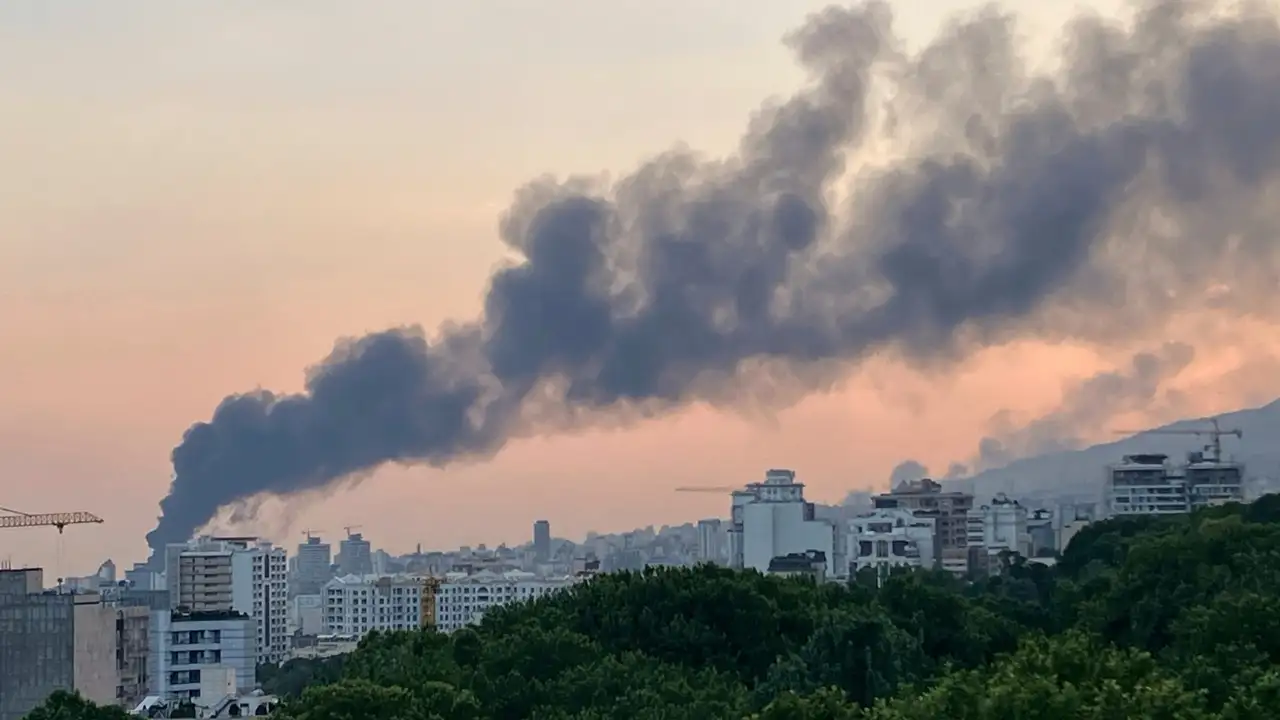
Bahrain and Kuwait reportedly carried out their first direct airstrikes inside Iran, targeting military sites after weeks of Iranian attacks on the Gulf states.
Bahrain and Kuwait secretly deployed fighter jets to strike military targets inside Iran earlier this month, marking their first direct retaliatory action against Tehran, according to a report by The Wall Street Journal. Citing people familiar with the matter, the report said the airstrikes targeted drone and missile storage facilities, along with other military sites. The reported operation comes after weeks of Iranian retaliatory attacks against Bahrain and Kuwait, both of which host US military bases.
According to the report, the two Gulf states, despite having relatively small air forces equipped with US and European-made aircraft, decided they could not allow Tehran to continue attacking them without a response.
The report said the United Arab Emirates provided intelligence on the targets and defensive air cover during the strikes, describing it as a sign of growing Arab cooperation against Iran.
The UAE also said it supports reducing tensions in the region, including the full reopening of the Strait of Hormuz, while condemning attacks on Kuwait and Bahrain. Its Foreign Ministry said the country stands in solidarity with both Gulf states and supports measures aimed at protecting their security and stability.
According to the report, Saudi Arabia had joined the UAE in carrying out strikes against Iran earlier in the conflict but is now reassessing its position.
Meanwhile, government spokespersons in Kuwait and Bahrain did not respond to requests for comment, according to The Wall Street Journal.
Bahrain and Kuwait have been among the primary targets of Iranian strikes during the conflict, with Tehran increasingly targeting critical infrastructure. Kuwait’s Foreign Ministry said Iran targeted a power plant and a water desalination facility, calling the attacks a dangerous escalation and a threat to its citizens.
Other Gulf nations, including Oman and Qatar, have largely maintained balanced relations between Iran and Western countries and have shown little willingness to confront Tehran directly.
The conflict has now entered its fifth month, with no indication that either side is prepared to back down. The ongoing fighting has also affected the wider Gulf region, with Iranian pressure on the Strait of Hormuz disrupting oil exports. The report added that a Red Sea blockade and attacks on shipping by Yemen’s Iran-backed Houthi movement have further increased pressure on regional trade.











Troops foil ₦7m ransom assortment, rescue kidnap sufferer in Borno

Matawalle inspects AFRIDEX venue forward opening

NDC Slams Tinubu, APC Over ₦1bn SUVs for Youth Leaders

My physique gained’t carry being pregnant – Nigerian woman hits again at critics judging her for selecting to be child-free

Infrastructurdevelopment stays key to Kebbi financial progress – Gov Idris

How states are deploying elevated FAAC revenues to drive growth

Dangote Cement steps up driver security requirements throughout Africa

Troops foil kidnapping try, rescue victims in Benue
-

 Politics3 days ago
Troops foil ₦7m ransom assortment, rescue kidnap sufferer in Borno
- News3 days ago
Matawalle inspects AFRIDEX venue forward opening
- Breaking3 days ago
NDC Slams Tinubu, APC Over ₦1bn SUVs for Youth Leaders
- Special Reports3 days ago
My physique gained’t carry being pregnant – Nigerian woman hits again at critics judging her for selecting to be child-free