Business
Cardoso links scarcity of N100, N200 notes to digital payments, weaker purchasing power

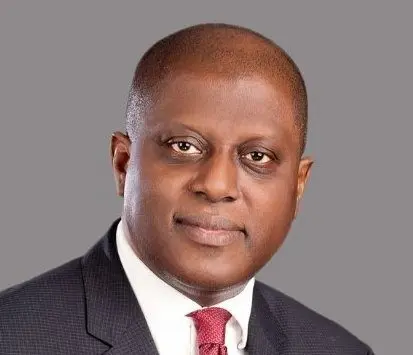
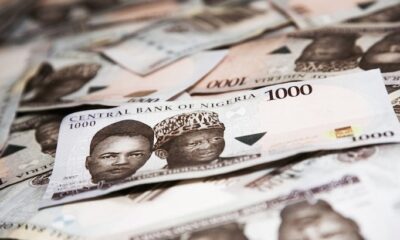
THE Governor of the Central Bank of Nigeria (CBN), Mr Olayemi Cardoso, has attributed the scarcity of lower-denomination naira notes to the growing use of digital payment channels and the declining purchasing power of the currency, stressing that the affected notes remain legal tender.
Speaking on Tuesday after the Monetary Policy Committee (MPC) meeting in Abuja, Cardoso dismissed concerns that the N100 and N200 notes had been withdrawn from circulation, saying the apex bank had not discontinued any denomination.
He urged Nigerians to continue accepting the notes for transactions, explaining that all existing naira denominations remain valid unless the CBN officially announces otherwise.
According to him, the reduced circulation of the lower-value notes reflects changing demand within the financial system rather than any policy decision to phase them out.
Cardoso said the expansion of financial inclusion and the increasing adoption of electronic payment platforms have naturally reduced the need for cash, particularly smaller denominations, resulting in lower printing and circulation volumes.
He also acknowledged that inflation and currency depreciation have eroded the purchasing power of the N100 and N200 notes, making them less useful for everyday transactions.
On inflation, the CBN governor reaffirmed the bank’s commitment to returning inflation to single digits, noting that the disinflation trend recorded over 11 consecutive months had been disrupted by prolonged external shocks.
He said the apex bank had expected inflation to move closer to its target by early 2027 before unforeseen global developments slowed the pace of progress, but maintained that the objective of achieving single-digit inflation remains unchanged.
Commenting on the International Monetary Fund’s (IMF) assessment that the naira is undervalued, with an estimated fair value of about N1,150 to the dollar, Cardoso said the CBN would continue to allow exchange rates to be determined by market forces.
He reiterated that the bank’s focus is on sustaining a transparent, liquid and willing-buyer, willing-seller foreign exchange (FX) market, adding that the naira’s value would continue to reflect underlying economic fundamentals such as export earnings, foreign investment, productivity and import substitution.
Related Articles
Cardoso added that the CBN is satisfied with the current performance of the FX market, saying improved liquidity and daily turnover of more than $1 billion on some trading days demonstrate rising investor confidence and a more transparent market.
The US-Iran war has re-ignited bizarre projections on oil prices. Brent Crude was priced $94.51 per barrel, showing more tham 50 percent increase over last month when there was ceasefire. TheWTI has risen to $87.31 in the global market.
S&P Global says rising energy prices may raise inflation numbers and put cost pressures on nations and corporates. “Increases in fuel costs as a result of the war in the Middle East have driven up costs among sub-Saharan African companies, putting upwards pressure on inflation and likely bringing to an end cycle of interest rate easing seen in a number of economies in the region.”



Strong demand pushes one-year T-bills rate lower to 17.15%

First HoldCo Trading Hits N11 Billion as Institutional Demand Intensifies

Civilian president can behave like dictator – Falana

MAN seeks safeguards for manufacturers under new tax law

I’m right person to defeat Tinubu in 2027 – Adebisi

Odo Langba, A Goodnight Tough To Say: Why The Loss of Dotun Oladipo Stings Like Acid, By Bamidele Johnson

Troops uncover 3,120 litres of stolen crude, refining equipment in Rivers forest

First HoldCo Climbs 4.65% as Institutional Demand Remains Strong
-

 Business3 days ago
Strong demand pushes one-year T-bills rate lower to 17.15%
- Finance3 days ago
First HoldCo Trading Hits N11 Billion as Institutional Demand Intensifies
- Breaking3 days ago
Civilian president can behave like dictator – Falana
- Business2 days ago
MAN seeks safeguards for manufacturers under new tax law