Society
What Africa Stands To Lose From Nigeria-South Africa Feud — Scholar

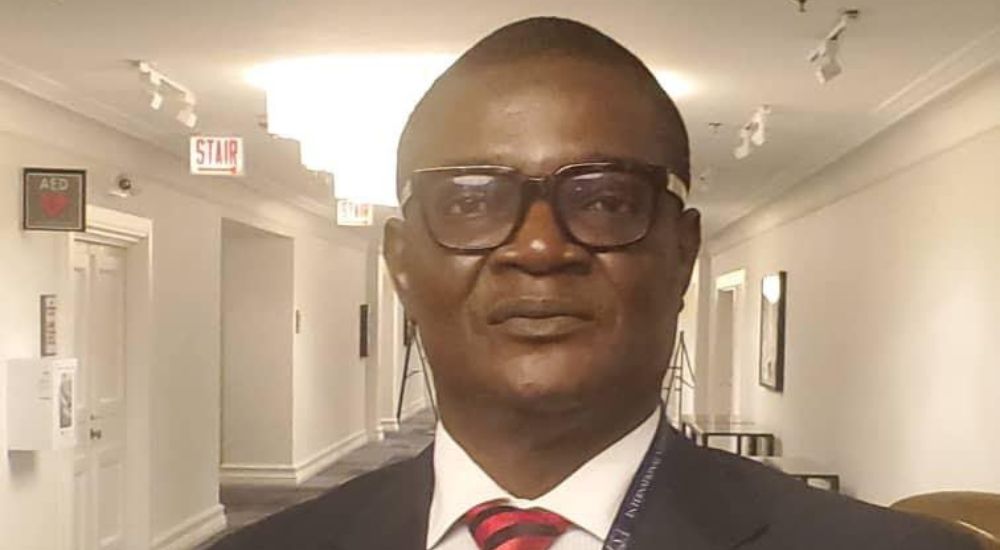
The rising diplomatic pressure between Nigeria and South Africa might weaken African unity, disrupt financial ties and undermine the continent’s affect in worldwide affairs, a world relations scholar advised THE WHISTLER.
The two nations have a protracted historical past of cooperation rooted within the battle in opposition to apartheid, throughout which Nigeria supplied diplomatic, monetary and materials help for South Africa’s liberation.
After the top of apartheid in 1994, each nations continued to form continental affairs, significantly underneath former Presidents Olusegun Obasanjo and Thabo Mbeki, by initiatives such because the New Partnership for Africa’s Development and the African Peer Review Mechanism.
However, recurring tensions over assaults on migrants, immigration disputes, financial competitors and rivalry for continental management have examined the connection.
The newest diplomatic friction adopted a dispute involving Nigeria’s High Commissioner to South Africa, Femi Fani-Kayode, who accused South Africa of intentionally excluding his speech from the official livestream in the course of the presentation of his credentials on 13 November.
South African presidential spokesperson Vincent Magwenya disputed features of the envoy’s account, whereas the South African Presidency later launched a separate video containing Fani-Kayode’s speech.
Dr Chukwuemeka Enyiazu, an International Relations scholar at Abia State University, described the scenario in an interview with THE WHISTLER as “a strained strategic partnership, not a collapsed relationship.”
He warned that the deterioration exposes the hole between the rhetoric of African solidarity and the on a regular basis safety of Africans residing in different African nations.
He added that “it also indicates that the relationship’s crisis-management arrangements have not been effective enough.”
Enyiazu mentioned the instant concern for Nigeria ought to be the security and welfare of its residents in South Africa, stressing that the results of worsening relations can be felt most straight by Nigerians residing there.
“For affected families, this is more than an abstract diplomatic disagreement: it is about personal safety, livelihoods, dignity, and access to justice,” he acknowledged.
He warned that additional deterioration might complicate consular cooperation at a time when Nigerians might have better safety, authorized help and clear communication with South African authorities.
Although additional repatriations might be an possibility for residents who want to go away, he pressured that “it cannot replace protecting those who stay.”
The scholar additionally famous that Nigeria’s historic help for the anti-apartheid battle offers the connection an emotional dimension, with Nigerians understandably anticipating that contribution to be revered.
However, he argued that the safety of Nigerians in South Africa should relaxation on their authorized rights and the obligations of the South African authorities, relatively than an expectation that the nation ought to reciprocate Nigeria’s previous help.
On the components driving the tensions, Enyiazu recognized insecurity confronted by African migrants in South Africa, home socioeconomic pressures, together with unemployment and inequality, and the political mobilisation of anti-immigrant sentiment.
He cautioned that explaining the situations behind hostility in the direction of migrants shouldn’t be taken as justification for assaults or as an excuse guilty foreigners for South Africa’s home issues.
“Allegations of crime should be investigated based on evidence against individuals, not turned into collective accusations against Nigerians or other nationalities,” he mentioned.
He urged each governments to deal with disagreements by established diplomatic channels, warning that public exchanges might deepen distrust.
Enyiazu additionally suggested Nigeria in opposition to retaliatory measures focusing on South African residents or companies, describing such actions as illegal and counterproductive. He mentioned they may harm Nigerian employees, traders and customers as a lot as their meant targets.
Beyond the diplomatic penalties, extended friction might have an effect on commerce and funding between the 2 nations, creating uncertainty for companies, merchants and professionals working throughout their markets.
South African corporations with important operations in Nigeria, significantly in telecommunications and media, might face a tougher enterprise local weather, whereas Nigerian entrepreneurs and professionals in South Africa might additionally encounter better uncertainty.
Enyiazu warned that strained relations might discourage new partnerships and complicate present business ties. He, nevertheless, cautioned in opposition to attributing each decline in enterprise exercise to diplomatic tensions, noting that trade charges, laws, market demand and company-specific choices additionally affect business outcomes.
The implications might be equally important in areas the place each nations have an curiosity in working collectively, together with industrial cooperation, safety and continental diplomacy.
According to Enyiazu, the associated fee would transcend disrupted enterprise transactions to incorporate potential initiatives that may by no means materialise due to insufficient cooperation.
He mentioned the results might prolong to the African Union and different continental establishments, the place bilateral distrust might flip choices on appointments, mediation, peace and safety, and financial integration into contests for affect relatively than efforts to advance shared pursuits.



Tinubu meets Ndigbo in Lagos, pledges inclusion as Uzoka-Anite leads dialogue

Police impose curfew in Delta neighborhood over political violence

Osun police bust little one trafficking syndicate, rescue 16-day-old child offered for N1.5m

NIBSS retains place as Africa’s immediate fee system in SIIPS 2026

Davido splashes $2.1m {dollars} on a Brabus XLP 800 Adventure Mercedes G66 as a birthday current to himself

Ekiti Court Sentences 23-Year-Old Man to Death Over Toddler’s Killing

Nigerian couple ends marriage after three weeks over genotype incompatibility

Woman shares how she was punished by her church for selecting to marry a Catholic husband
-

 Politics3 days ago
Tinubu meets Ndigbo in Lagos, pledges inclusion as Uzoka-Anite leads dialogue
- Politics3 days ago
Police impose curfew in Delta neighborhood over political violence
- Special Reports3 days ago
Osun police bust little one trafficking syndicate, rescue 16-day-old child offered for N1.5m
- News3 days ago
NIBSS retains place as Africa’s immediate fee system in SIIPS 2026