Special Reports
2027: Financial analysts elevate issues as Naira loses N47 in opposition to greenback whereas international reserves drop $660m

News
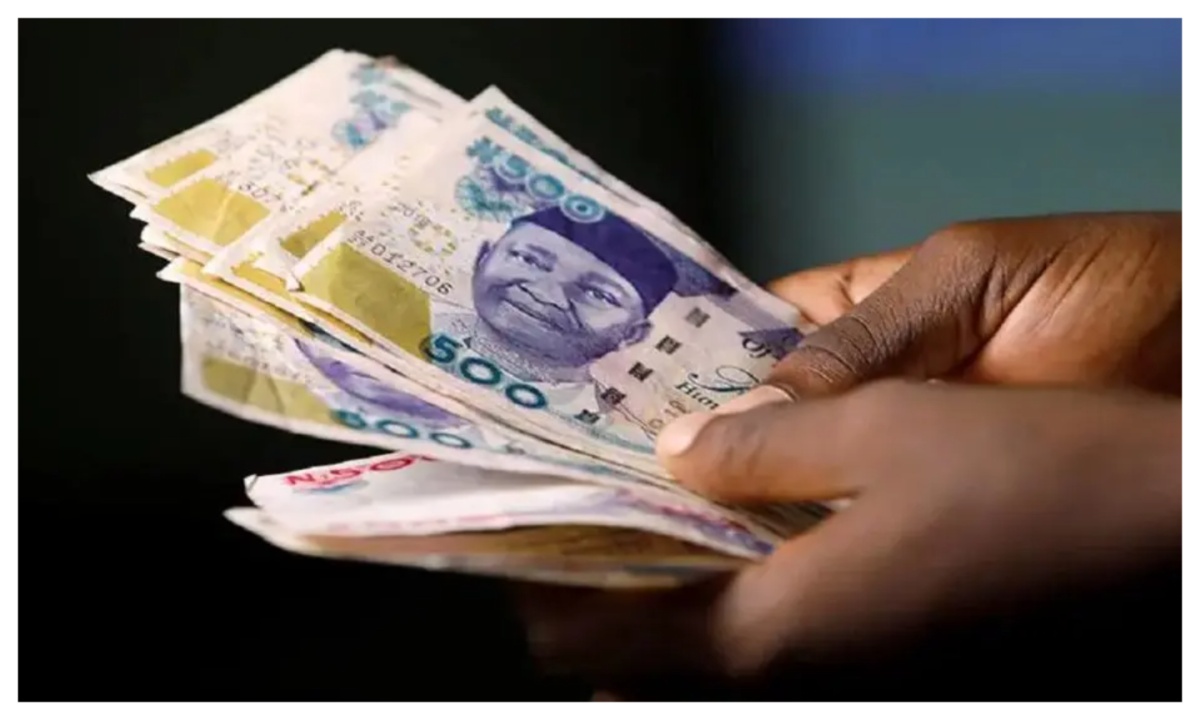
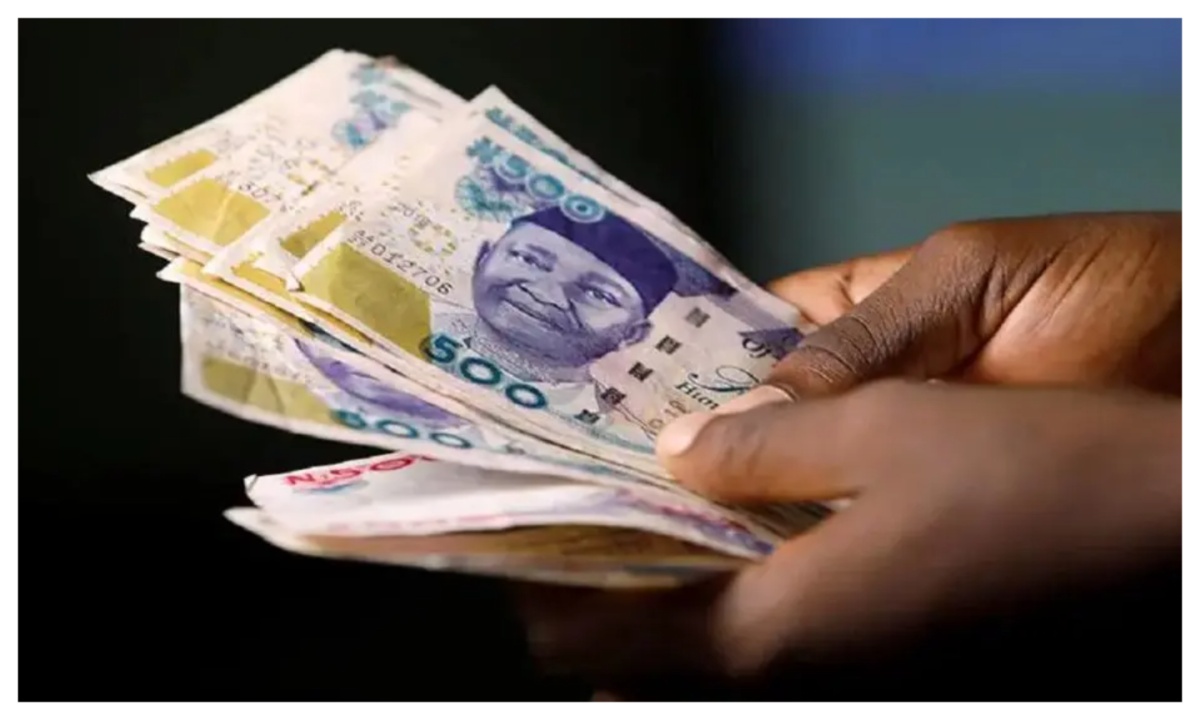
Financial analysts have raised alarm over contemporary downward strain on the naira and a simultaneous dip in Nigeria’s international alternate buffers, attributing the pattern to heightened greenback demand as political campaigning accelerates forward of the January 16, 2027 presidential election.
Market information exhibits the home forex slid from ₦1,346.79 per greenback on November 6, 2026, to ₦1,394.01 on Monday, November 23, a drop of ₦47.22, or 3.51 p.c, over a 17-day window.
Within roughly the identical timeframe, the nation’s gross exterior reserves shed $660 million (1.19 p.c), easing from $55.24 billion on November 6 to $54.58 billion by November 18.
The forex pressure coincides with a surge in nationwide political mobilization involving President Bola Tinubu of the All Progressives Congress (APC), Atiku Abubakar of the African Democratic Congress (ADC), Peter Obi of the Nigeria Democratic Congress (NDC), Social Democratic Party (SDP) flagbearer Adewole Adebayo, and candidates from 14 different registered events.
Rallies and city corridor conferences have just lately spanned states together with Kaduna, Delta, Plateau, Kebbi, Oyo, Yobe, Adamawa, and Lagos, alongside heightened coverage debates over gasoline pricing and ongoing intra-party litigation.
Former President of the Chartered Institute of Bankers of Nigeria (CIBN), Okechukwu Unegbu, equally pointed to campaign-related spending as a believable driver behind the market volatility.
“It is possible that the political campaigns are taking a toll on the naira and Nigeria’s foreign exchange reserves,” Unegbu acknowledged.
However, famend accountant and monetary Professor Godwin Oyedokun supplied a broader structural evaluation, arguing that whereas election-cycle anxiousness impacts market sentiment, deeper systemic weaknesses stay on the core of the forex’s slide.
“The recent depreciation of the naira and decline in external reserves reflect growing pressure on Nigeria’s foreign exchange market. While increased dollar demand is a contributing factor, the challenge goes beyond demand to include inadequate and inconsistent foreign exchange inflows, import dependence, speculative activities and investor uncertainty,” Oyedokun defined.
“The widening hole between the official and parallel alternate charges additionally suggests persistent challenges with international alternate accessibility and market confidence.



109 Peace Accord breaches, marketing campaign assaults increase issues over 2027 elections

2027 polls: Maku urges electorates to guard their votes towards rigging

NGX Market Loses N3.01trn As All-Share Index Falls 1.83%

UNILORIN undergraduates produce 6,000 broiler chickens in college ‘s coaching farm

Instagram removes video in Emir of Daura sexual assault allegation

“Don’t put yourself where your silence looks like consent” — Ossai Ovie Success faults vacationer over Emir of Daura encounter

"I’ve by no means cheated and I cannot cheat" Actor Chinedu Ikedieze reacts to allegations that he cheated on his spouse

Tinubu commits N450bn to agriculture, targets 500,000 farmers
-

 Politics3 days ago
109 Peace Accord breaches, marketing campaign assaults increase issues over 2027 elections
- News3 days ago
2027 polls: Maku urges electorates to guard their votes towards rigging
- Society3 days ago
NGX Market Loses N3.01trn As All-Share Index Falls 1.83%
- News3 days ago
UNILORIN undergraduates produce 6,000 broiler chickens in college ‘s coaching farm